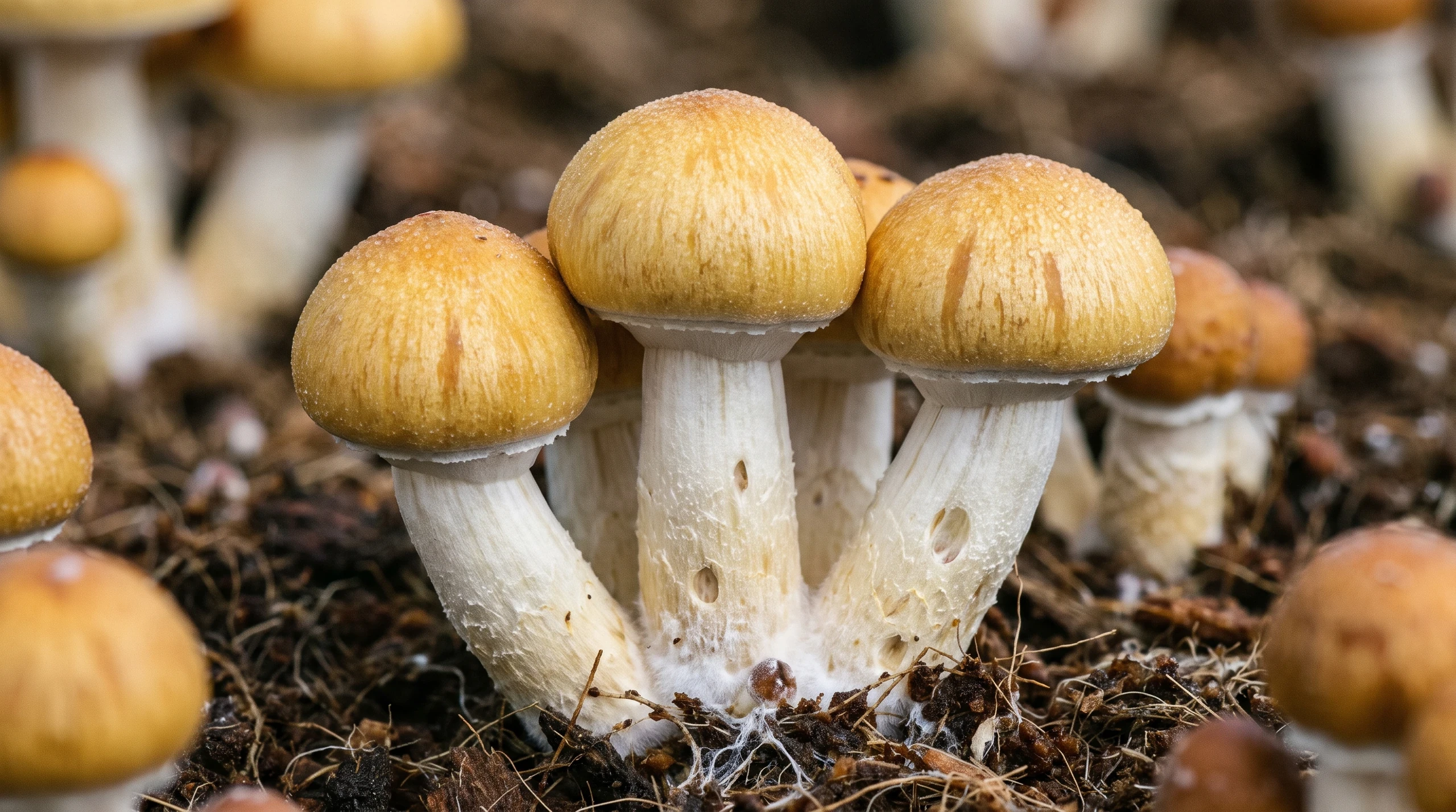
The Golden Teacher is one of the most recognizable cultivars in the Psilocybe cubensis family, and that familiarity breeds a dangerous kind of confidence. People assume they know what they're looking at when they see a caramel-colored cap on a pale stem, and that assumption has put foragers in the hospital and, in a handful of cases, the morgue. The problem is not that Golden Teachers are difficult to identify when you know what you're doing. The problem is that several species of lethally toxic mushrooms occupy the same visual neighborhood, and the differences that separate a psychedelic experience from acute liver failure are subtle enough that apps, photo guides, and casual pattern-matching will not save you.
This is not a foraging guide. This is an explanation of why foraging for psilocybin mushrooms without expert-level mycological training is a bet you should not take, told through the lens of the specific organisms that end up in body bags when people guess wrong.
The Galerina Problem
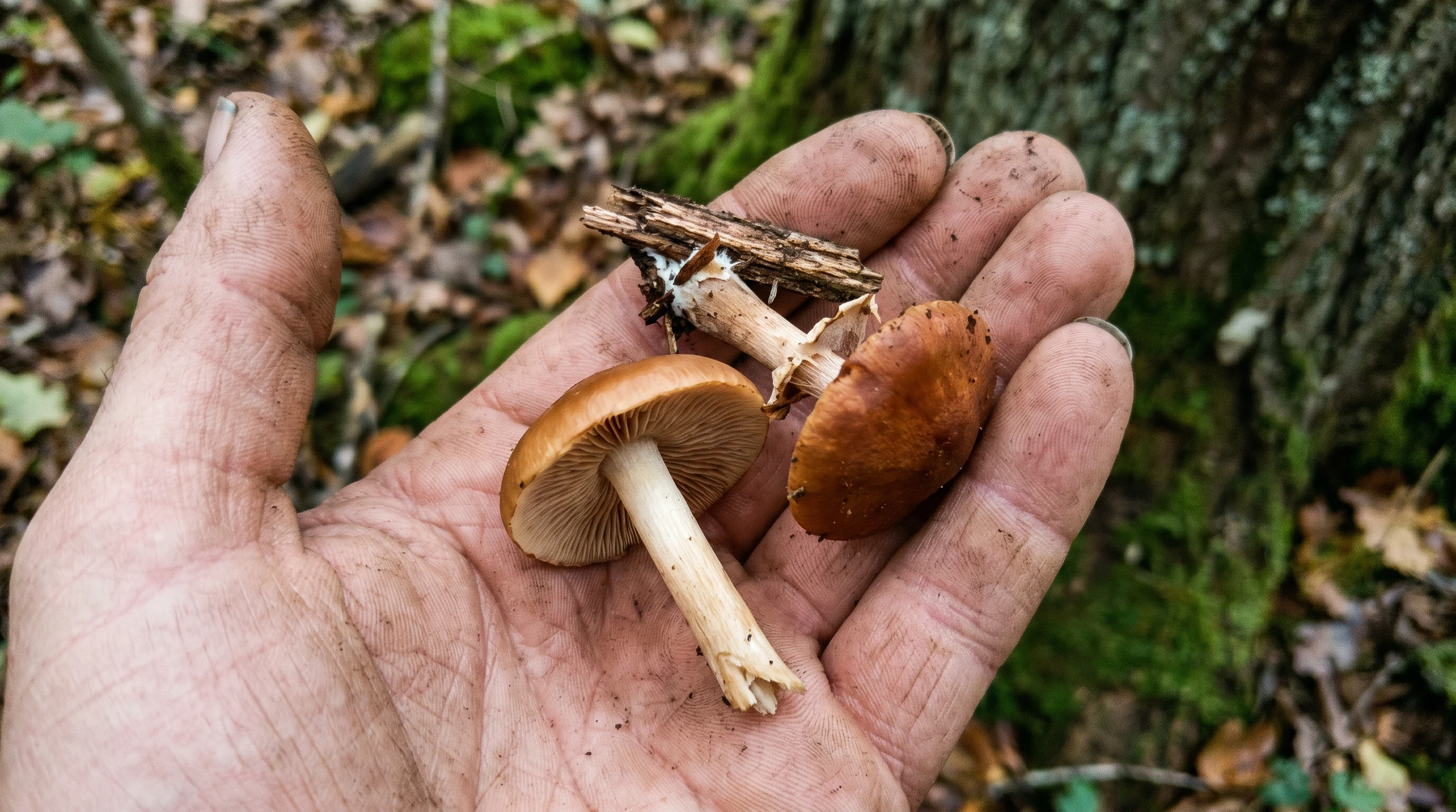
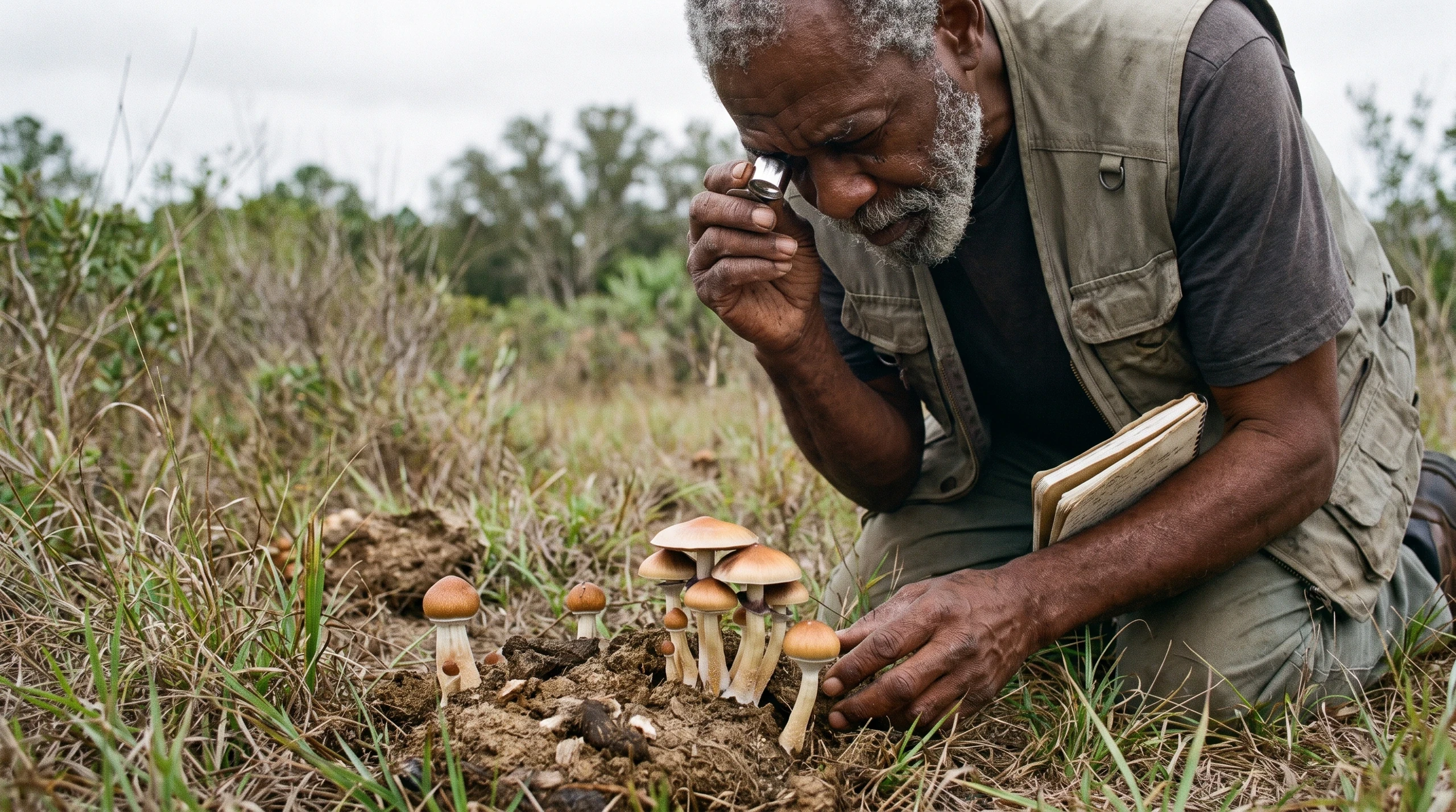
Galerina marginata, commonly called deadly galerina or funeral bell, is the lookalike that has killed the most people hunting for psychedelic mushrooms in North America. It is a small brown mushroom that grows on rotting wood, wood chips, and sometimes enriched soil. It has a brownish cap, pale gills when young, and a ring on the stem. In poor light or in a photo taken from the wrong angle, it looks enough like a young Psilocybe cubensis that people who think they know what Golden Teacher specimens look like have picked it, dried it, and eaten it.
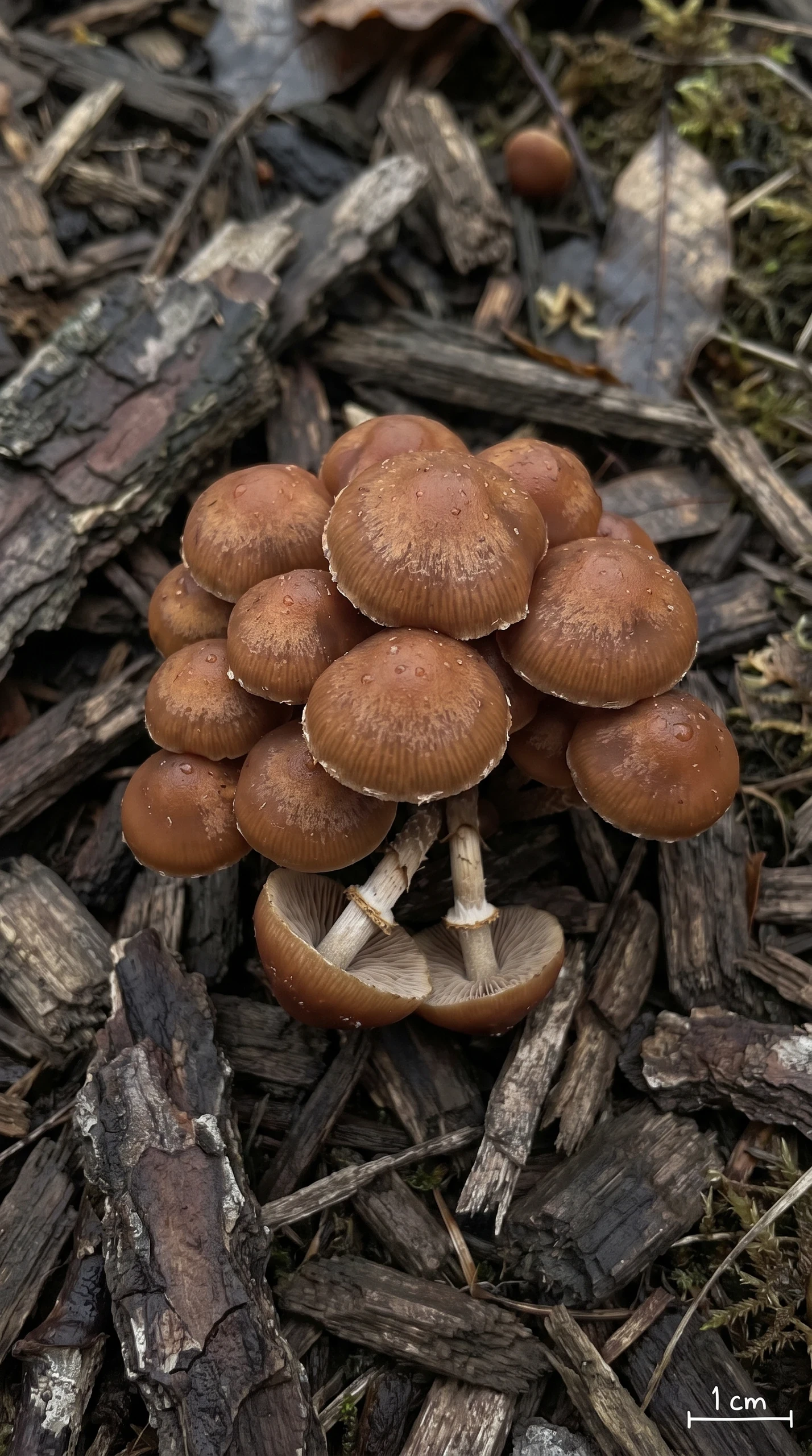
The North American Mycological Association tracks cases through voluntary reporting, which means the numbers they publish are lower than the real incidence. Even so, the pattern is consistent. People looking for magic mushrooms are the most common victims of Galerina poisoning, because they are primed to see what they expect rather than what is actually there.
Galerina marginata contains amatoxins, the same liver-destroying compounds found in the death cap (Amanita phalloides). According to research published in the NCBI database, these toxins inhibit RNA polymerase II, which shuts down protein synthesis in liver and kidney cells. The damage is often irreversible. There is no antidote. Treatment is supportive care, and in severe cases, emergency liver transplant.
The timeline of amatoxin poisoning makes it particularly cruel. You eat the mushroom. For the next six to twenty-four hours, you feel fine. Then the gastrointestinal phase hits: cramping, vomiting, watery diarrhea that resembles cholera. By the time those symptoms appear, the toxin has already begun destroying hepatocytes. You may feel better for a day or two after the GI symptoms subside. That is not recovery. That is the eye of the storm. Liver failure follows, then renal failure, then either a transplant or death.

People survive if they get to a hospital early and receive aggressive supportive care, but "early" means within hours of ingestion, and most people do not realize they have been poisoned until the delayed symptoms start. The NCBI clinical guide on amatoxin toxicity notes that mortality in developed countries with access to intensive care is under five percent, but that figure assumes you recognize the poisoning in time and get treatment. If you are foraging alone, eat what you picked, and do not connect your symptoms to the mushrooms until a day later, your odds are worse.
Why the Differences Are Not Obvious
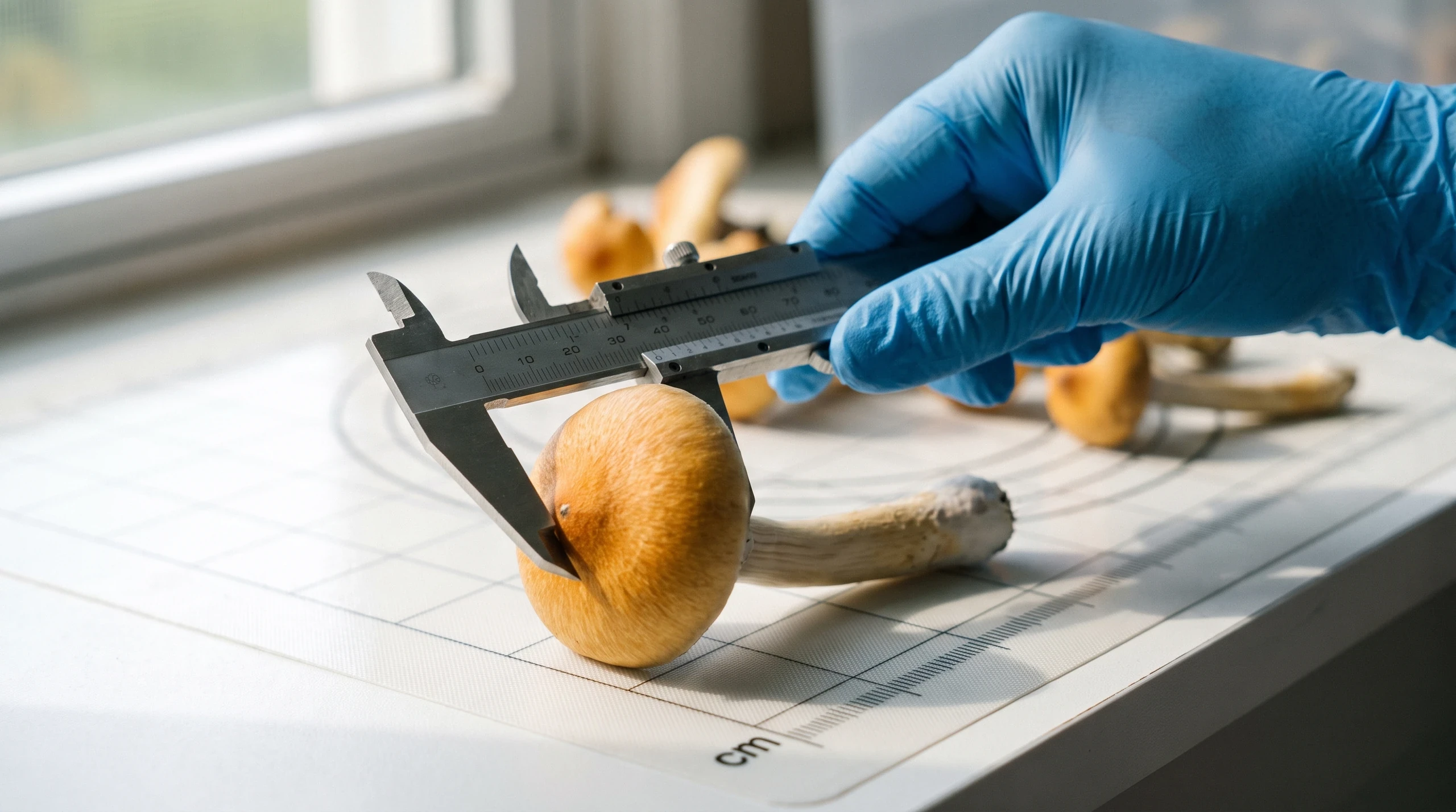
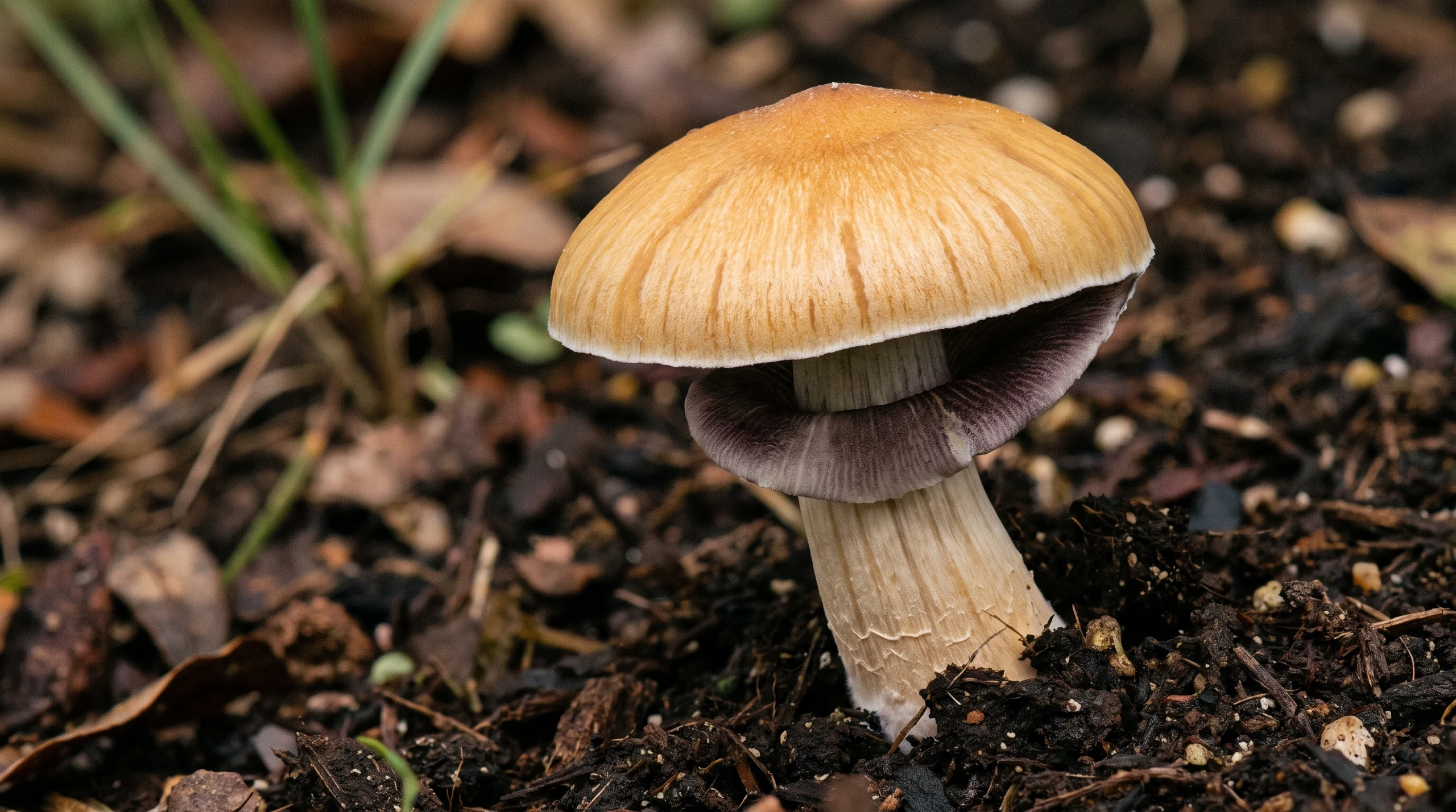
The field marks that separate Psilocybe cubensis from Galerina marginata are real, but they require close observation under good conditions, and some of them require tools or actions that casual foragers skip. Spore prints are the most reliable distinguishing feature. Psilocybe cubensis produces a dark purplish-brown spore print. Galerina marginata produces a rusty brown print. If you take a spore print and wait for it to develop, you can tell them apart.
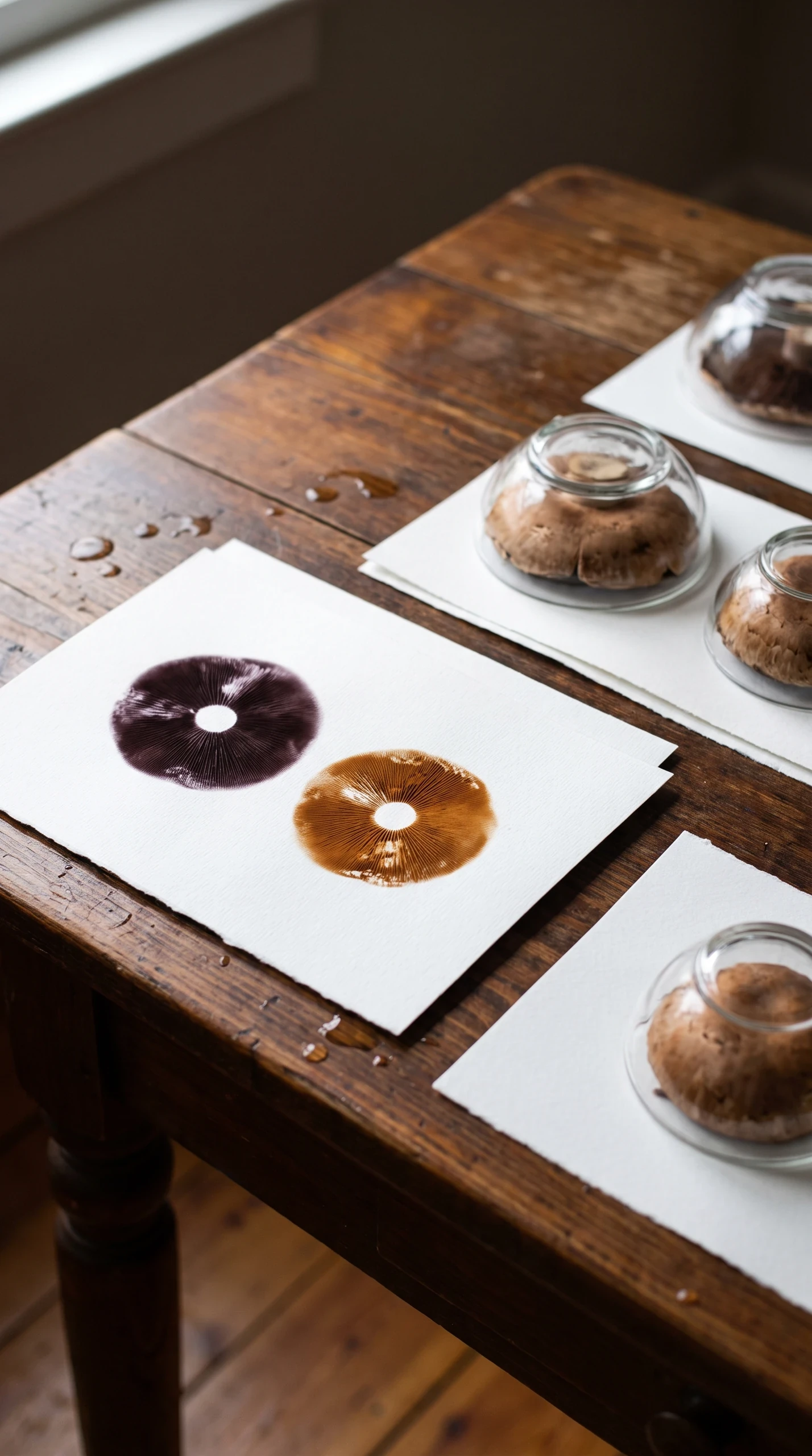
Most people do not take spore prints. They look at the mushroom, compare it to a photo on their phone, and decide it matches. That is pattern-matching, not identification, and it fails more often than people think.
Blue bruising is often cited as a definitive marker of psilocybin-containing mushrooms, and it is true that Golden Teacher specimens bruise blue when handled due to the oxidation of psilocin. But blue bruising is not exclusive to Psilocybe species, and its absence does not mean a mushroom is safe. Some Galerina species can show faint blue-green staining under certain conditions, which is enough to fool someone who is looking for reasons to believe they found what they were hoping for.
Habitat is another distinguishing feature in theory. Psilocybe cubensis, including the Golden Teacher cultivar, typically fruits in dung-enriched soil or directly on herbivore dung in subtropical and tropical climates. Galerina marginata grows on decaying wood. But wood chips are often mixed into landscaping mulch and garden beds, and Psilocybe species occasionally fruit in wood-chip-enriched environments, which means habitat overlap is possible. If you find a cluster of small brown mushrooms in a mulched garden bed in Florida or California, you cannot rule out Galerina based on substrate alone.
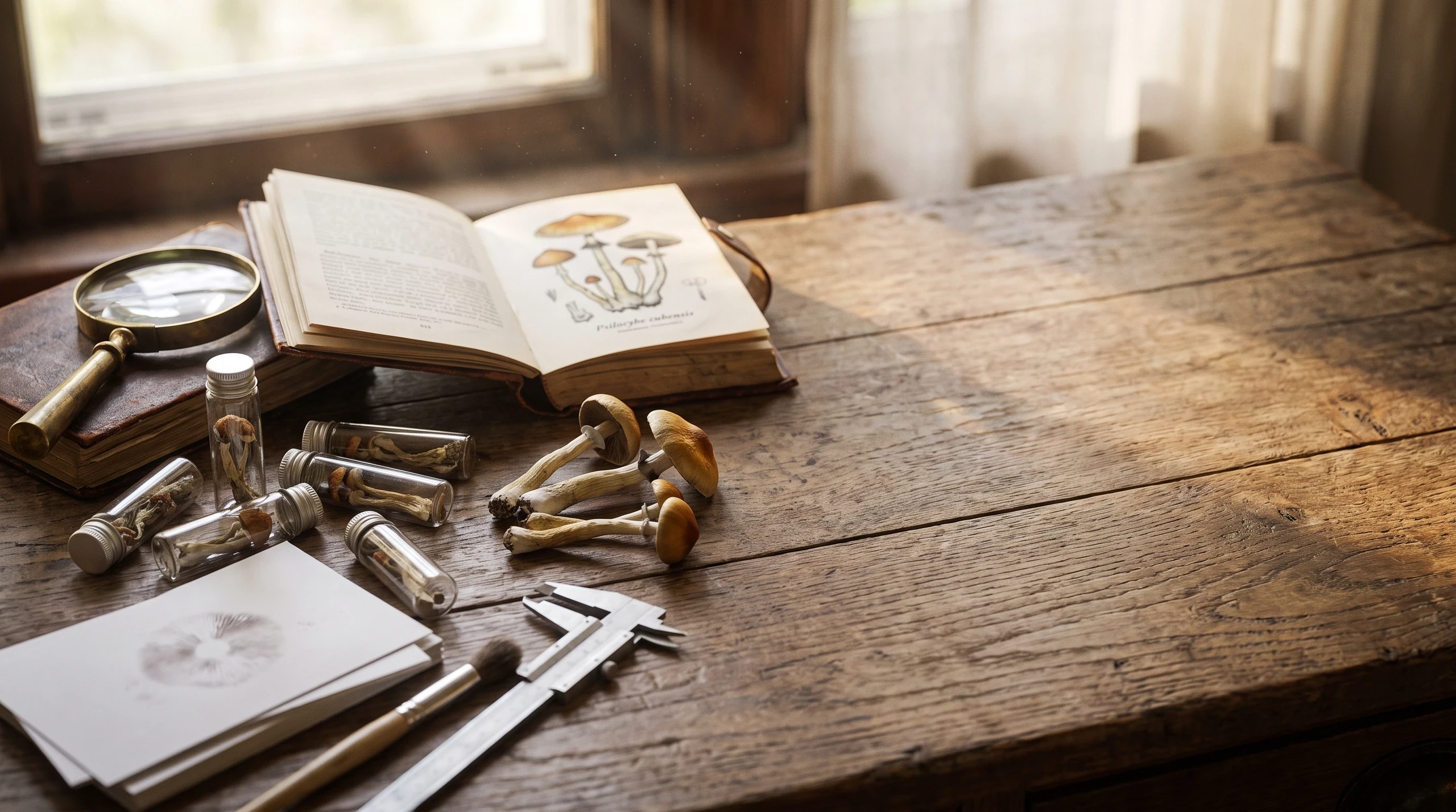
The size and shape of the cap, the attachment of the gills, the presence or absence of a partial veil, all of these are useful features if you know how to assess them and you are looking at fresh, undamaged specimens in good light. In practice, mushrooms in the field are often past their prime, bug-eaten, dried out, or photographed in dim conditions that flatten color and texture. A mature Psilocybe cubensis with a fully expanded cap looks different from a young specimen with a conical cap, and both look different from the photos in a guidebook, which were taken of ideal specimens under controlled lighting.
The App Problem
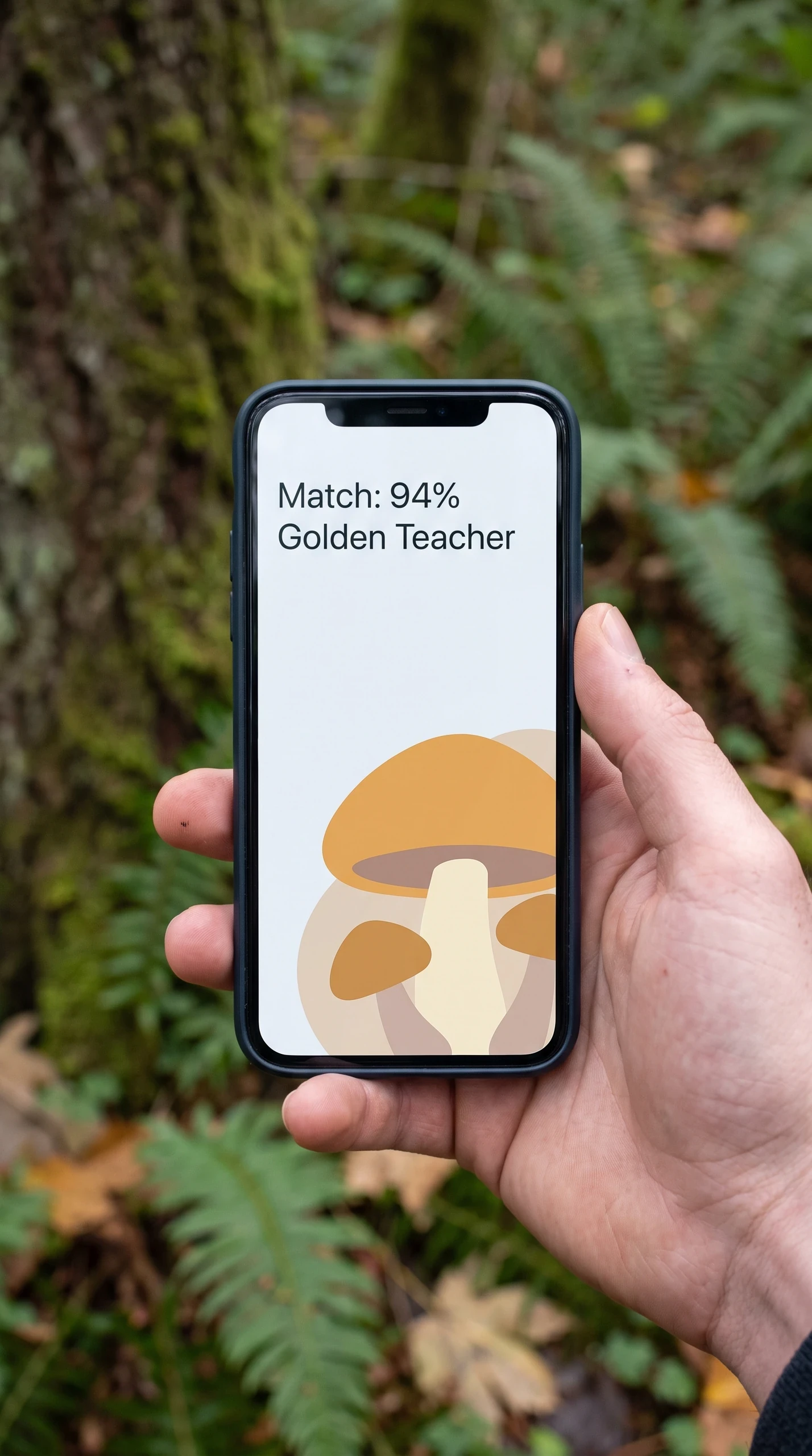
AI-powered mushroom identification apps have become popular in the last few years, and they are profoundly dangerous. A Public Citizen report from 2024 analyzed several of the most popular apps and found that they correctly identified toxic species only 44 to 50 percent of the time under real-world conditions. That is a coin flip. In multiple cases, the apps misidentified deadly species as edible, including Amanita phalloides and Galerina marginata.
The problem is not that the apps are badly designed. The problem is that mushroom identification is not a task that can be solved with image recognition alone. A photo shows you the shape and color of a mushroom at a single moment, from a single angle, under whatever lighting was present when the photo was taken. It does not show you the spore print, the smell, the texture of the flesh, the precise gill attachment, or the developmental sequence from button to mature fruiting body. Reliable identification requires observing multiple features that cannot all be captured in a photograph, and it requires understanding how those features vary across age, environmental conditions, and decay.
The apps are trained on image datasets, and they return results based on visual similarity. That works fine when you are identifying a cardinal or a stop sign. It does not work when the difference between a safe mushroom and a lethal one is the exact shade of brown in the spore print, which does not appear in a photograph of the intact mushroom.
People trust the apps because they are confident and specific. The app does not say "this might be Psilocybe cubensis or it might be Galerina marginata, you should take a spore print and consult an expert." It says "Psilocybe cubensis, 87% confidence," and people believe it. Confidence scores are not accuracy. They are a measure of how closely the image matches the training data, and the training data is full of mislabeled photos and ambiguous specimens.
County health officials in San Diego reported 47 mushroom poisoning cases between November 2025 and May 2026, including four deaths and four emergency liver transplants. AI app misidentification was cited as a contributing factor in multiple incidents. The apps are not a supplement to expertise. They are a substitute for judgment, and they are killing people.
What Responsible Behavior Looks Like
If you are interested in Golden Teacher mushrooms, the responsible approach is to obtain them through legal cultivation in jurisdictions where that is permitted, or not at all. Psilocybe cubensis is one of the most widely cultivated species in the world, and spore syringes and grow kits are legally available for microscopy purposes in many regions, even where fruiting them remains prohibited. Cultivation allows you to control the entire process from inoculation to fruiting, which eliminates the identification problem entirely.
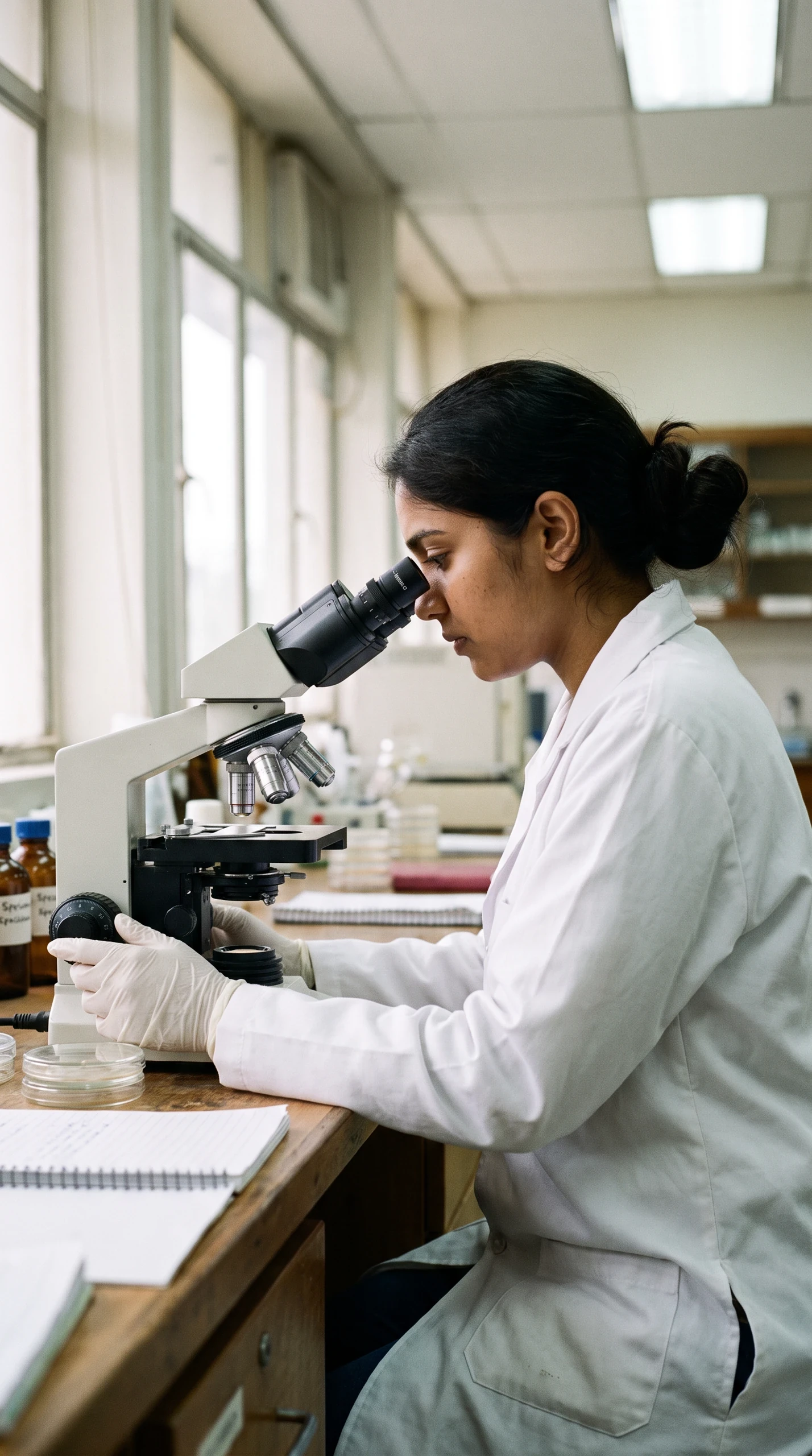
If you are in a jurisdiction where psilocybin is decriminalized or legalized for personal use, and you are determined to forage despite the risks, the minimum standard is in-person training with an experienced mycologist who can teach you to recognize the relevant species, take accurate spore prints, and use a microscope to observe spore morphology. A weekend workshop is not enough. Reliable field identification requires seeing dozens of specimens at different stages of development, in different conditions, with immediate expert feedback on what you are looking at.
You cannot learn this from a book or a YouTube video. You can memorize the features, but you cannot learn to see the features accurately without hands-on practice and correction. The gap between "I read the description" and "I can reliably identify this mushroom in the wild" is wider than people think, and overconfidence in that gap is how people end up in the ER.
Even with training, the margin for error is not zero. Professional mycologists sometimes disagree on identifications, and they sometimes defer to DNA sequencing when morphological features are ambiguous. If experts with decades of experience occasionally get it wrong, a hobbyist with a field guide and an app is not going to do better.
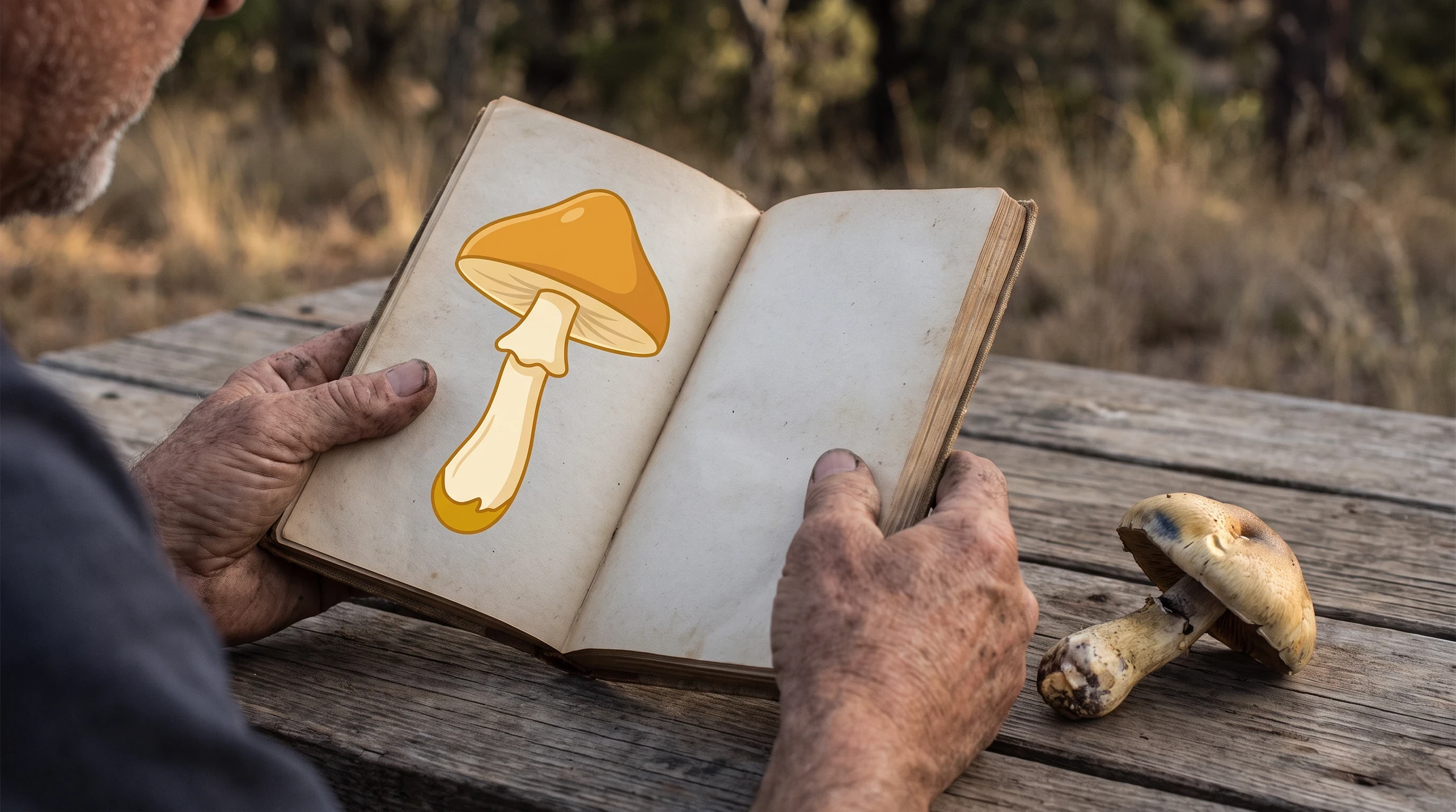
The other responsible option is simply not to forage. The harm reduction framework for psilocybin use assumes you know what you are taking, and that assumption does not hold when you are picking wild mushrooms. The risk-benefit calculation for foraging is not favorable. The benefit is free mushrooms. The risk is acute liver failure, kidney damage, emergency transplant, or death. There are safer ways to obtain Golden Teachers if your goal is a psychedelic experience, and there are safer mushrooms to forage if your goal is to connect with mycology.
The Honest Bottom Line
Golden Teacher is a cultivar, not a wild species. It was selected and stabilized under controlled conditions, and its identifying features are most reliably expressed in those conditions. When people talk about foraging for Golden Teachers, what they usually mean is foraging for wild Psilocybe cubensis and hoping to find specimens that resemble the cultivar. That hope is built on a misunderstanding of what cultivar stability means and how much morphological variation exists in wild Psilocybe populations.
Even if you find a wild Psilocybe cubensis, it will not necessarily look like the Golden Teacher photos you have seen. Wild cubensis varies in cap color, stem thickness, and fruiting pattern depending on genetics and environment. You cannot use "looks like Golden Teacher" as an identification criterion, because Golden Teacher is a cultivated lineage, not a field mark.
The mushrooms that kill people are the ones that occupy the same ecological and morphological space as the ones people are looking for. Galerina marginata is small, brown, has a ring on the stem, grows in the same kinds of environments where people expect to find Psilocybe, and fruits at the same time of year. It is not a distant cousin that requires specialized knowledge to distinguish. It is a near neighbor, and the features that separate it from Psilocybe cubensis are exactly the kind of subtle details that get lost in a photo, misremembered from a guidebook, or skipped in the field because you are confident you already know what you are looking at.
Foraging for wild mushrooms is a rewarding practice when done carefully, with training, with humility about the limits of your knowledge, and with species where the risk of catastrophic misidentification is low. Foraging for psychedelic mushrooms does not meet that standard. The consequence of error is too high, the likelihood of error is too high, and the availability of safer alternatives makes the entire exercise unnecessary.
If someone tells you they foraged wild Golden Teachers and it was fine, that does not mean it was safe. It means they got lucky. Luck is not a harm reduction strategy.
Frequently asked questions
Can I reliably identify Golden Teacher mushrooms using a smartphone app?
What happens if I accidentally eat Galerina marginata thinking it was a psilocybin mushroom?
Are there any safe visual shortcuts to distinguish Golden Teacher from deadly lookalikes?
Is foraging for wild Psilocybe cubensis safer than foraging for other wild mushrooms?
What is the responsible way to obtain Golden Teacher mushrooms?
Ready to apply what you've learned?
Browse lab-tested magic mushrooms, edibles, microdose capsules and teas — shipped discreetly across the United States.