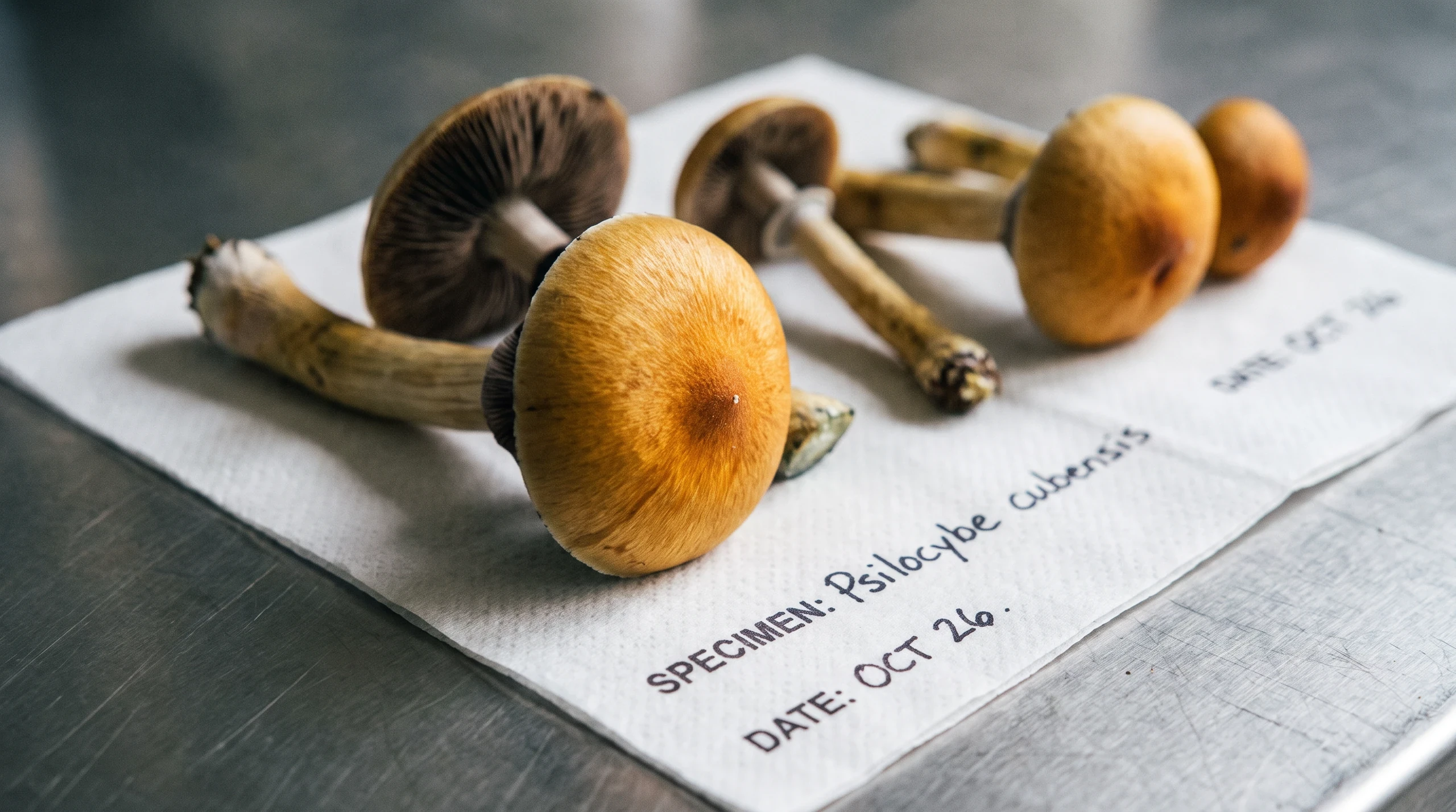
The story of how Golden Teacher circled the globe is not a story of discovery. It is a story of mail-order envelopes, legal gray zones, online forums with usernames you would not repeat in polite company, and a small network of vendors who realized that selling spores to strangers in all fifty states was not technically illegal, provided nobody said the quiet part out loud. In the late 1990s and early 2000s, while the Drug Enforcement Administration was busy with other priorities, a cottage industry quietly emerged, shipping spore prints and syringes to hobbyist mycologists who claimed, with varying degrees of plausibility, to own microscopes. Golden Teacher was the strain that rode that wave hardest. It was cheap to produce, reliable in transit, forgiving enough for beginners, and photogenic enough to make people want it. By the mid-2000s, it was everywhere.
The people who sold it were not underground chemists or cartel operators. They were small business owners with LLC filings and PayPal accounts. They printed shipping labels at home. They answered customer service emails. They dealt with chargebacks. The work was boring, risky, and profitable in ways that depended entirely on a legal loophole that everyone understood could close at any moment. It never did. The spore vendors won by being too tedious to prosecute and too useful to the people who mattered, which is to say the mycologists who were not pretending. Golden Teacher became the bestseller not because it was the best cubensis, but because it was the most consistent product to ship.
Before the Catalogs
Before spore vendors became a searchable keyword, Golden Teacher's origins were a mess of competing stories. One version involved a Florida pasture. Another named a Guyanese bird sanctuary and a Massachusetts professor. A third claimed it was a Hawaiian strain rebranded by a California outfit called Pacific Exotica Spora. The earliest verifiable public mention appeared as a classified ad in High Times, July 1991, back when people still bought magazines to find things. The ad did not explain where the strain came from, who isolated it, or why the caps were that specific shade of caramel gold. It just offered prints for sale. Twenty dollars, cash or money order, no credit cards.
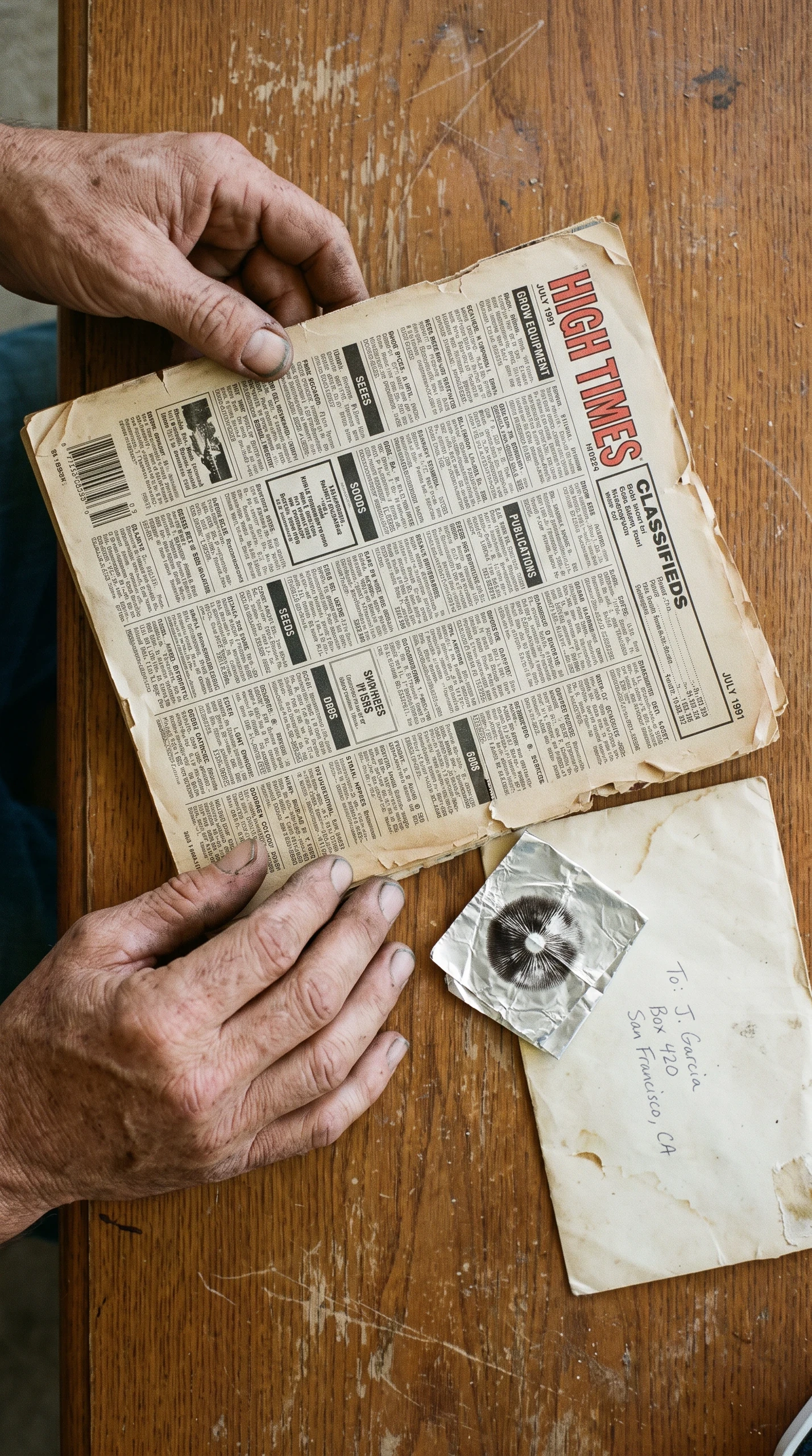
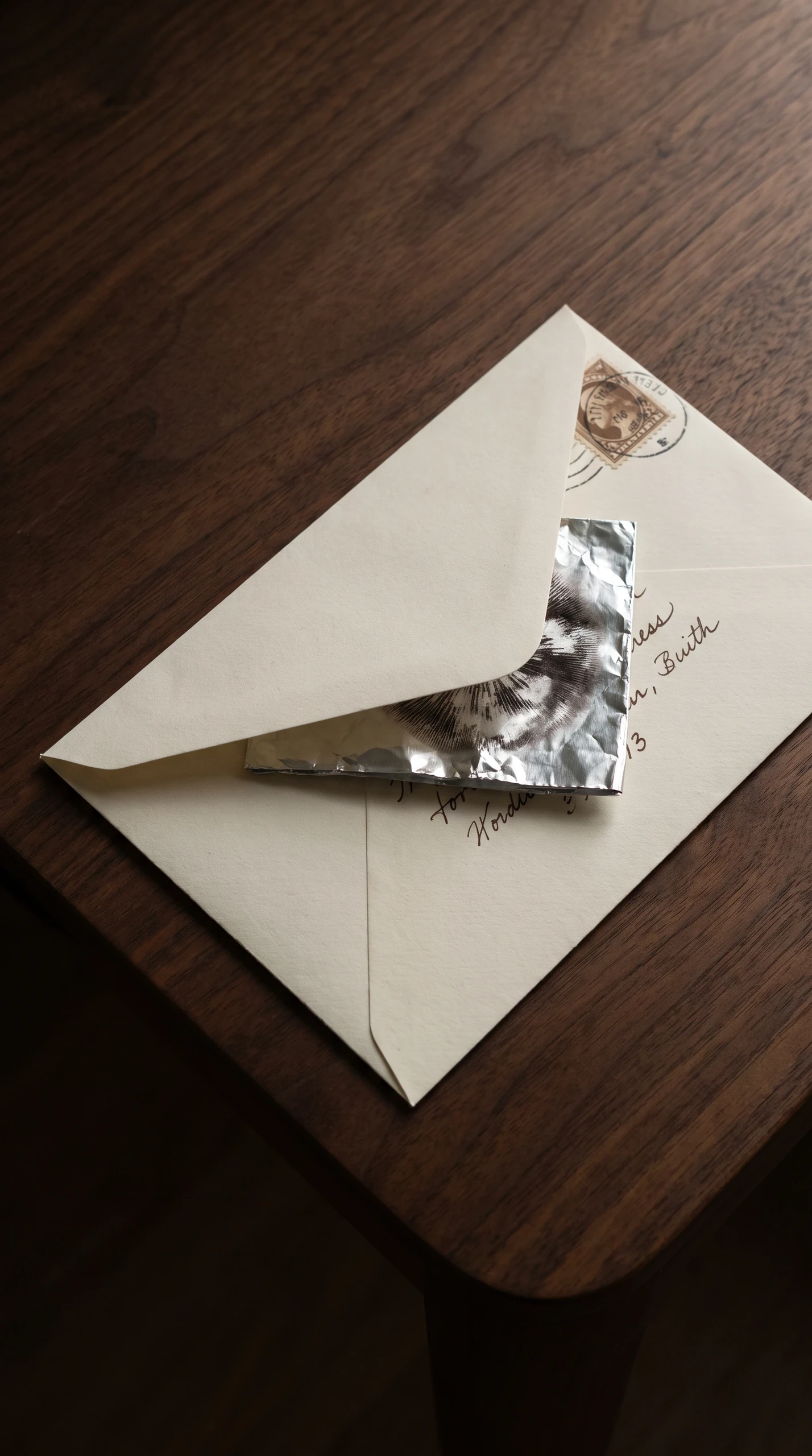
That was the model for years. Ads in the back of cannabis magazines. Spore prints in foil, mailed in greeting card envelopes to avoid detection. Vendors operated under names that sounded like head shops or new-age bookstores. There was no Amazon listing, no Shopify store, no customer reviews. If the print arrived wet or contaminated, you ate the loss. If it never arrived at all, you had no recourse. The relationship between buyer and seller was built on the same thing that built every gray market: nobody wanted to involve the authorities, so everyone behaved just well enough to avoid disaster.
The Loophole That Built an Industry
The legal fact that changed everything was this: psilocybin mushroom spores contain no psilocybin. The spores are not scheduled. The mycelium they grow into is not scheduled. Only the mushroom, once it fruits and biosynthesizes psilocybin, crosses the line into Schedule I territory. This meant that vendors could sell spores for "microscopy, taxonomy, and educational purposes" without breaking federal law, provided they never acknowledged what everyone knew their customers were actually doing. It was a polite fiction, and it held.

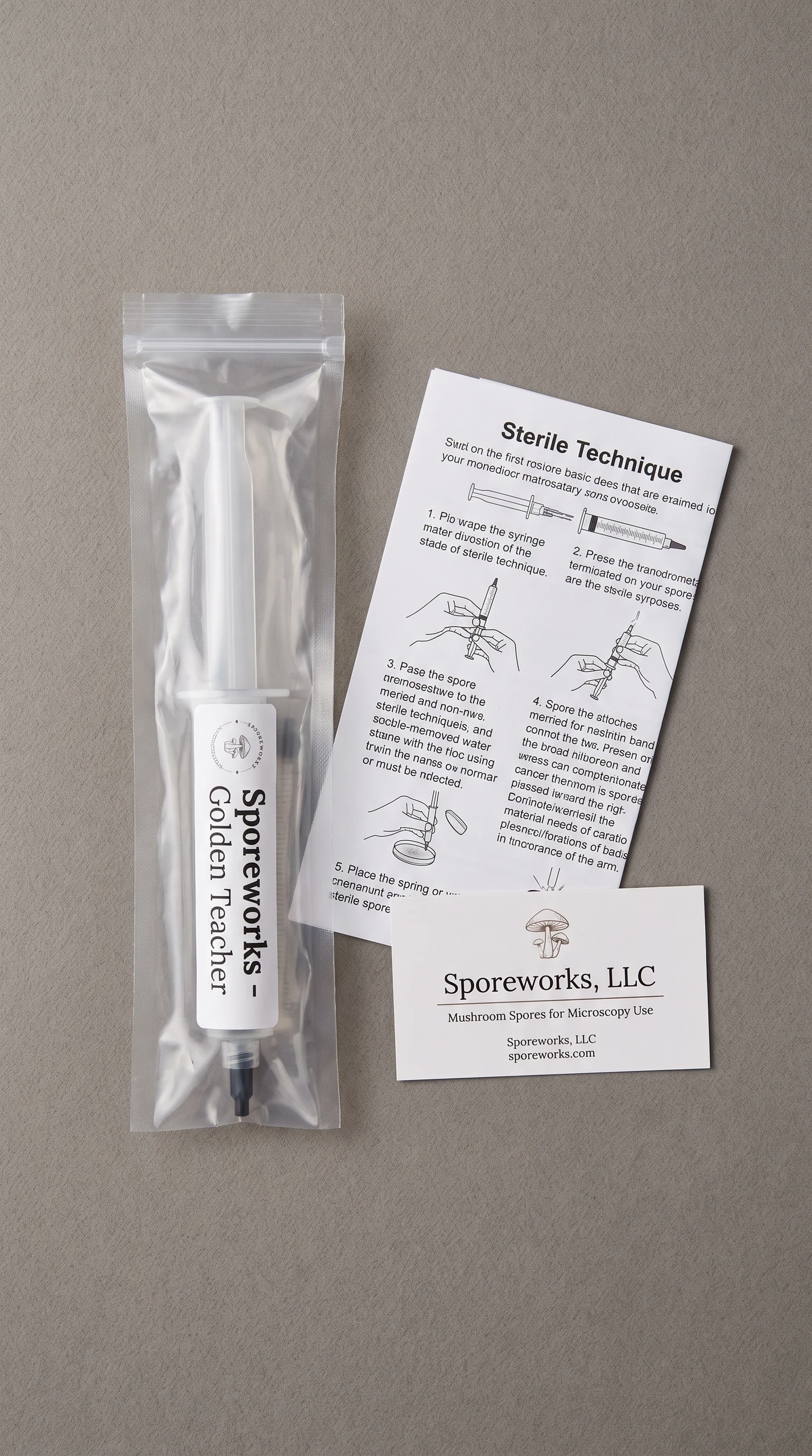
Sporeworks launched in October 1998 and became one of the first major vendors to professionalize the trade. They had a website, albeit a bare-bones one. They took credit cards through processors willing to work with them. They printed proper labels and included sterile technique instructions with every order. Other vendors followed. The business model was straightforward: buy bulk spores or make prints from grows, package them with minimal overhead, and ship them to anyone in the 46 states where possession remained legal. California, Georgia, Idaho, and later Florida banned even the spores, collapsing the distinction before it could be exploited. Everywhere else, the loophole held.
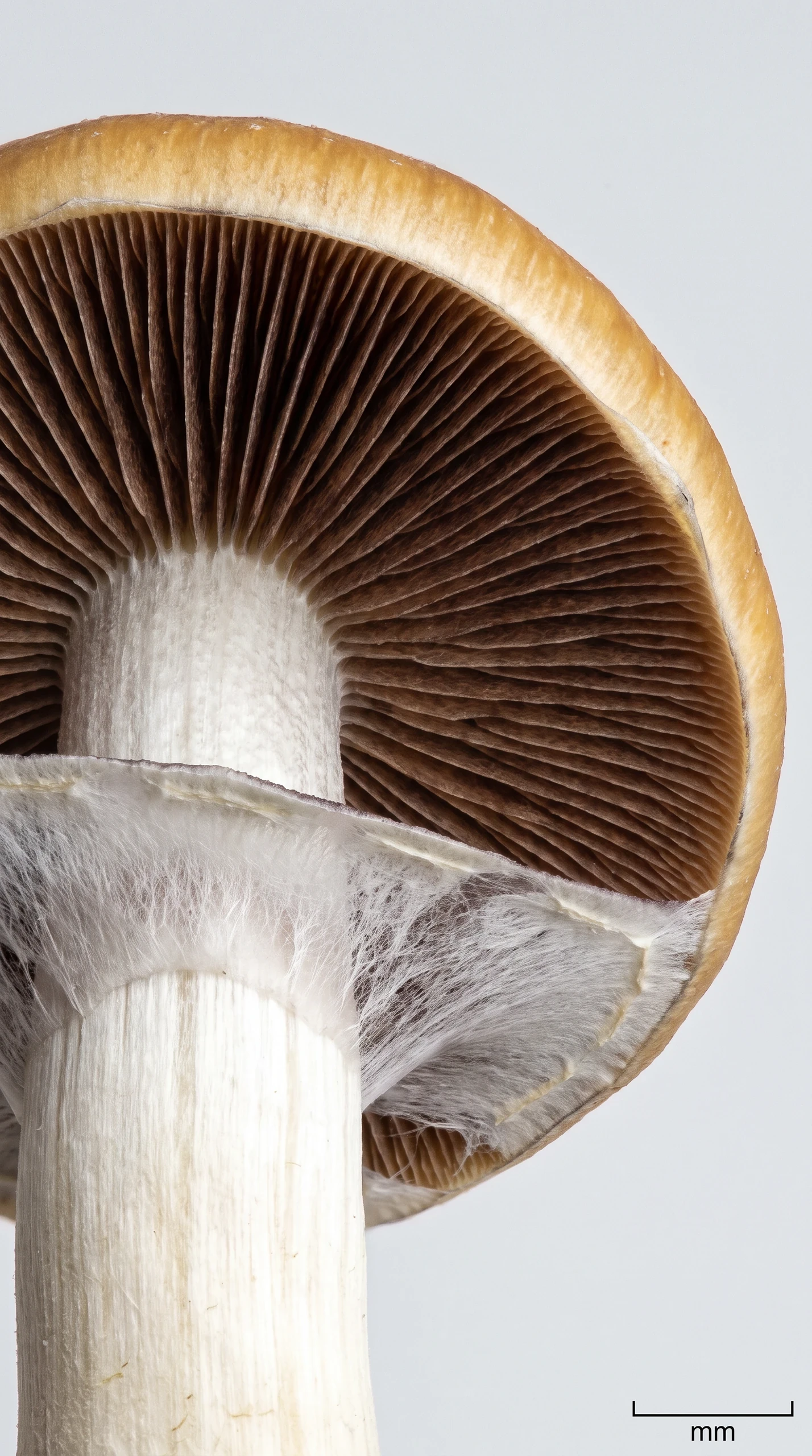
Golden Teacher prints became a catalog staple because the genetics were stable. Cubensis strains are not strains in the biological sense, they are marketed lineages, often clones of clones of clones with no formal documentation. But Golden Teacher reliably threw the same general phenotype: golden caps, substantial stems, decent yields, high tolerance for beginner mistakes. Vendors liked it because dissatisfied customers were expensive, and Golden Teacher kept the return rate low. It was not the most potent cubensis, not the fastest colonizer, not the most exotic. It was predictable. In a market built on strangers trusting strangers, predictable was enough.
The Forum Economy
When online mycology forums exploded in the early 2000s, the vendor ecosystem changed again. The Shroomery became the hub. Shroomery did not sell anything, it hosted the conversations. People posted grow logs with photographs. They shared contamination horror stories. They debated the differences between Penis Envy and B+ and Golden Teacher with the fervor of audiophiles arguing cables. The forums also hosted a marketplace where users, after meeting a 90-day membership and 50-post threshold, could trade spore prints directly. Reputation mattered. Vendors who sent clean prints on time earned vouches. Scammers got called out in threads that Google indexed forever.
Golden Teacher saturated that economy because it was the strain people recommended to beginners, and there were always new beginners. When someone posted "first grow, what strain should I start with," the replies were a choir: Golden Teacher. It colonized fast enough to stay ahead of contaminants. It fruited reliably under inconsistent conditions. It did not require the genetic lottery that made Penis Envy worthwhile. The result was a feedback loop. New growers bought Golden Teacher, succeeded, made prints, and traded them onward. The Shroomery era cemented the strain's reputation as the default cubensis, the one you started with before you got ambitious.
The vendors watched this happen and adjusted their inventory. By the mid-2000s, Golden Teacher was listed first in most catalogs, priced affordably, always in stock. Some vendors offered it in both print and syringe form. The syringe, a needleless 10cc tube of spore suspension in sterile water, became the most popular format because it was easier to use and harder to contaminate than a print. The shift from prints to syringes also made the product feel more clinical, more legitimate, like something a real mycology hobbyist would order. The performance mattered. Selling microscopy supplies required everyone to pretend the microscopes existed.
The Internationalization
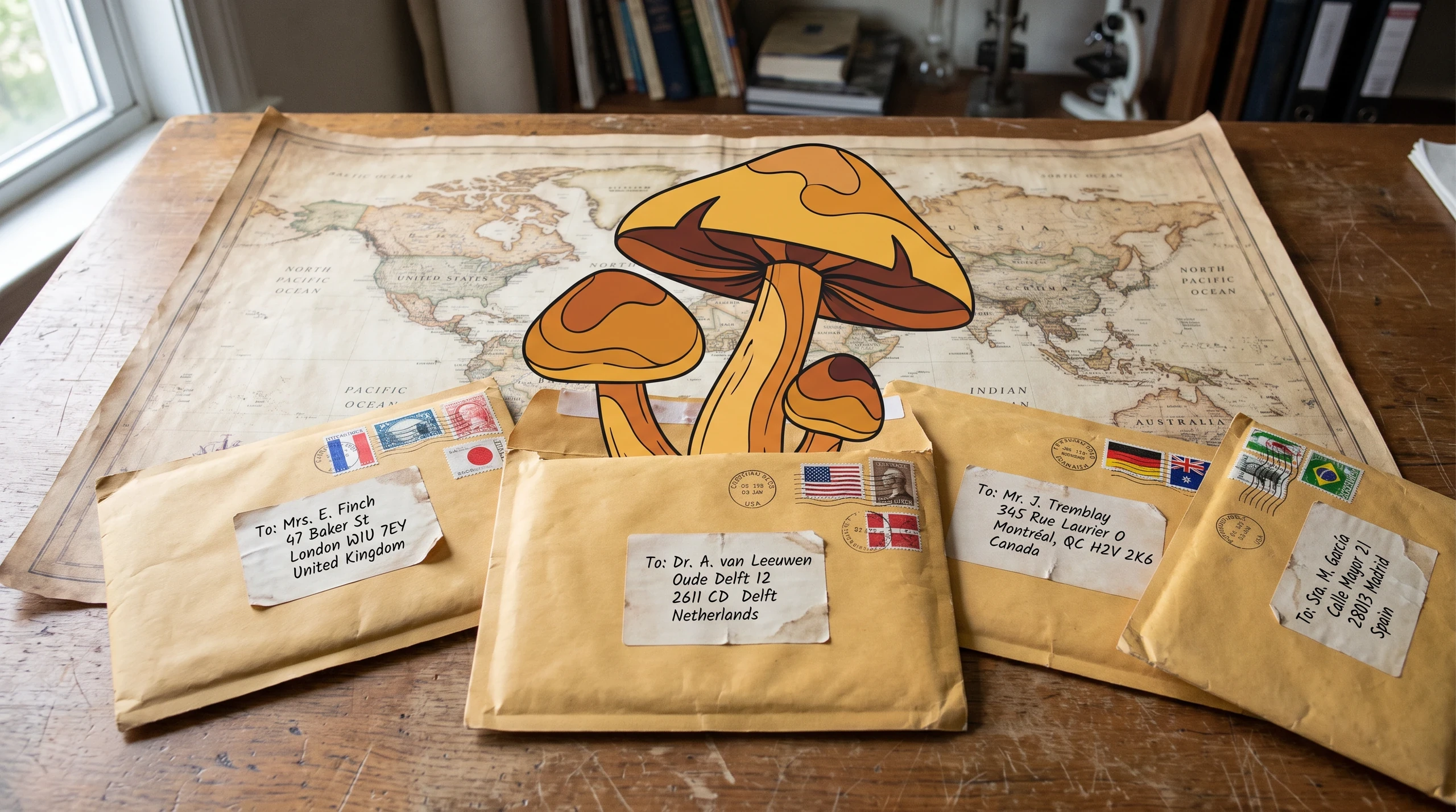
Golden Teacher left the United States the way most American consumer products do: someone saw a market and started shipping. European vendors emerged in the mid-2000s, often operating from the Netherlands, Spain, or the UK, where drug laws created different but still navigable gray zones. Canadian vendors appeared, serving a domestic market that mirrored the American one. Some vendors shipped globally, others region-locked to avoid customs headaches. The genetics themselves, frozen in prints or suspended in syringes, crossed borders in padded envelopes that weighed less than a postcard.

Academic interest in Psilocybe cubensis remained limited until the psychedelic research renaissance of the 2010s, but the vendors did not wait for the scientists. They built the infrastructure first. By the time Johns Hopkins and Imperial College began publishing psilocybin trials in the late 2000s, Golden Teacher was already a recognized name in a dozen countries. The research studies did not use Golden Teacher, they used pure synthesized psilocybin, but the cultural halo effect was real. When mainstream outlets wrote about psychedelic therapy, people Googled mushrooms, found vendor sites, and ordered the strain that came up first. That was usually Golden Teacher.
The irony is that the vendors who spread Golden Teacher worldwide were not ideologues. They were not Timothy Leary disciples trying to expand consciousness. They were small-business people optimizing conversion rates. They A/B tested product photos. They worried about SEO and shipping costs. A few got raided, usually when they slipped up and sold to undercover officers who asked leading questions. Most stayed in business for years, even decades, because they followed the rules of the game: never discuss cultivation, never ship to banned states, never sell anything but spores. The line was thin, but it was there, and crossing it meant prison.
What the Vendors Knew
The people who sold Golden Teacher understood something the academic researchers did not: potency is not stable across grows, or even across caps from the same flush. A spore print is not a pharmaceutical product. It is a genetic starting point. The mushrooms that grow from it will vary depending on substrate, temperature, humidity, and a dozen other factors that no one fully controls. Vendors could not guarantee potency because potency was not in the spores, it was in the grow. But they could guarantee genetics that tended to produce fruiting bodies within a predictable range. Golden Teacher was that range. Not weak, not heroic, somewhere in the middle. Forgiving.
The better vendors included this information obliquely in their descriptions. They would note that Golden Teacher was "robust," "reliable," "great for beginners," all of which were coded ways of saying it would not punish minor mistakes the way a more finicky strain might. They did not mention psilocybin content directly, that would violate the microscopy pretense, but they also did not need to. The forums did that work for them. When a user posted a trip report praising Golden Teacher's "gentle come-up" or "clear headspace," that was better advertising than anything a vendor could legally say.
Some vendors went further and quietly cultivated reputations as the sources for clean, viable genetics. In a market where every envelope was a gamble, trust was the product. A vendor who consistently shipped prints that germinated cleanly, colonized quickly, and fruited without issue became the vendor people recommended in private messages. Golden Teacher's dominance depended partly on the strain itself, but also on the vendors who kept the quality consistent enough that buying it felt safe.
The Ethical Weight
This history asks something uncomfortable: who paid the price for Golden Teacher's global spread? The vendors made money. The customers got their spores. But psilocybin-containing mushrooms carry legal consequences that fall unevenly. The people who went to prison for cultivation were disproportionately poor, disproportionately nonwhite, disproportionately unable to afford lawyers who could argue the microscopy defense with a straight face. The vendors, largely white and middle-class, operated in a legal gray zone that depended on prosecutorial discretion, which is another way of saying they depended on not looking like the kind of people prosecutors wanted to charge.

The global spread of a cultivar is also a story of biological displacement. Psilocybe cubensis is native to tropical and subtropical regions, likely Africa, where it grows in cattle dung and has done so for millennia. The Western market for cubensis spores is built on extraction: someone collected wild specimens, someone isolated the genetics, someone sold them. Golden Teacher's origin story, murky as it is, likely begins with someone taking something from somewhere it grew naturally. The vendors who spread it did not invent that dynamic, but they extended it. They turned a living organism into a product with SKUs and inventory management.
None of this makes the vendors villains. Many believed they were advancing a cause, making access to psychedelics safer and more democratic. Some were genuine mycology enthusiasts who loved the science. A few donated to psychedelic research nonprofits. But belief does not erase consequence. The infrastructure that made Golden Teacher a household name in psychedelic circles also built a market that operates in the gaps of the law, benefits unevenly, and depends on people looking the other way.
Where the Market Stands Now
As of 2026, Golden Teacher remains one of the most widely available cubensis strains in the world. Vendors in North America, Europe, and increasingly Asia list it as a core product. The language has not changed much: microscopy, research, taxonomy. The pretense still holds because no one with enforcement power cares enough to test it. Spore vendors are not cartels. They are too boring to bother with.
The strain's cultural cachet has outlasted most of the original vendors. Some went out of business when payment processors blacklisted them. Others sold the business when they got tired of the legal risk. A few are still running, two decades in, shipping spore syringes to people who may or may not own microscopes. The technology has improved: better sterilization, better packaging, better genetics isolation. The legal landscape has shifted slightly, with Oregon and Colorado creating regulated psilocybin programs that bypass spores entirely, growing mushrooms under state oversight. But most of the country still operates in the same gray zone the vendors built their industry on.
Golden Teacher became a global phenomenon because the vendors made it easy to buy, easy to grow, and easy to recommend. They built supply chains and customer service infrastructures for a product that was, and remains, illegal to actually use. That contradiction is the story. The mushroom did not spread itself. People spread it, people with websites and shipping labels and careful wording, people who understood that the gap between legal and illegal was just wide enough to fit a business model. The result is a cultivar that can be ordered in fifteen minutes and delivered to most addresses in the developed world, no questions asked, no microscope required.
What This History Asks of Us
The vendors who spread Golden Teacher operated in a system that permitted them to profit from a legal ambiguity unavailable to most people who interact with psilocybin. That is not an accident. Legal gray zones favor people who can navigate bureaucracy, afford lawyers, and present as harmless. The same system that allowed spore vendors to thrive also incarcerated thousands of people for possession of the mushrooms those spores became. Both things are true at once. The vendors were not responsible for the War on Drugs, but they built a business inside it, and that business was not available to everyone.
Set and setting matter, the old psychedelic safety maxim goes, but so does access, and access has always been uneven. The spread of Golden Teacher is a story about logistics, about capitalism finding a niche, about people making rational decisions in irrational legal landscapes. It is also a story about who gets to take those risks and who pays when the risks go wrong. The mushroom is neutral. The market never was.

Frequently asked questions
Who were the main vendors that spread Golden Teacher globally?
Why was Golden Teacher more popular than other cubensis strains?
Is it still legal to buy Golden Teacher spores in the United States?
How did online forums change the spore vendor market?
What ethical issues does the spore vendor history raise?
Ready to apply what you've learned?
Browse lab-tested magic mushrooms, edibles, microdose capsules and teas — shipped discreetly across the United States.