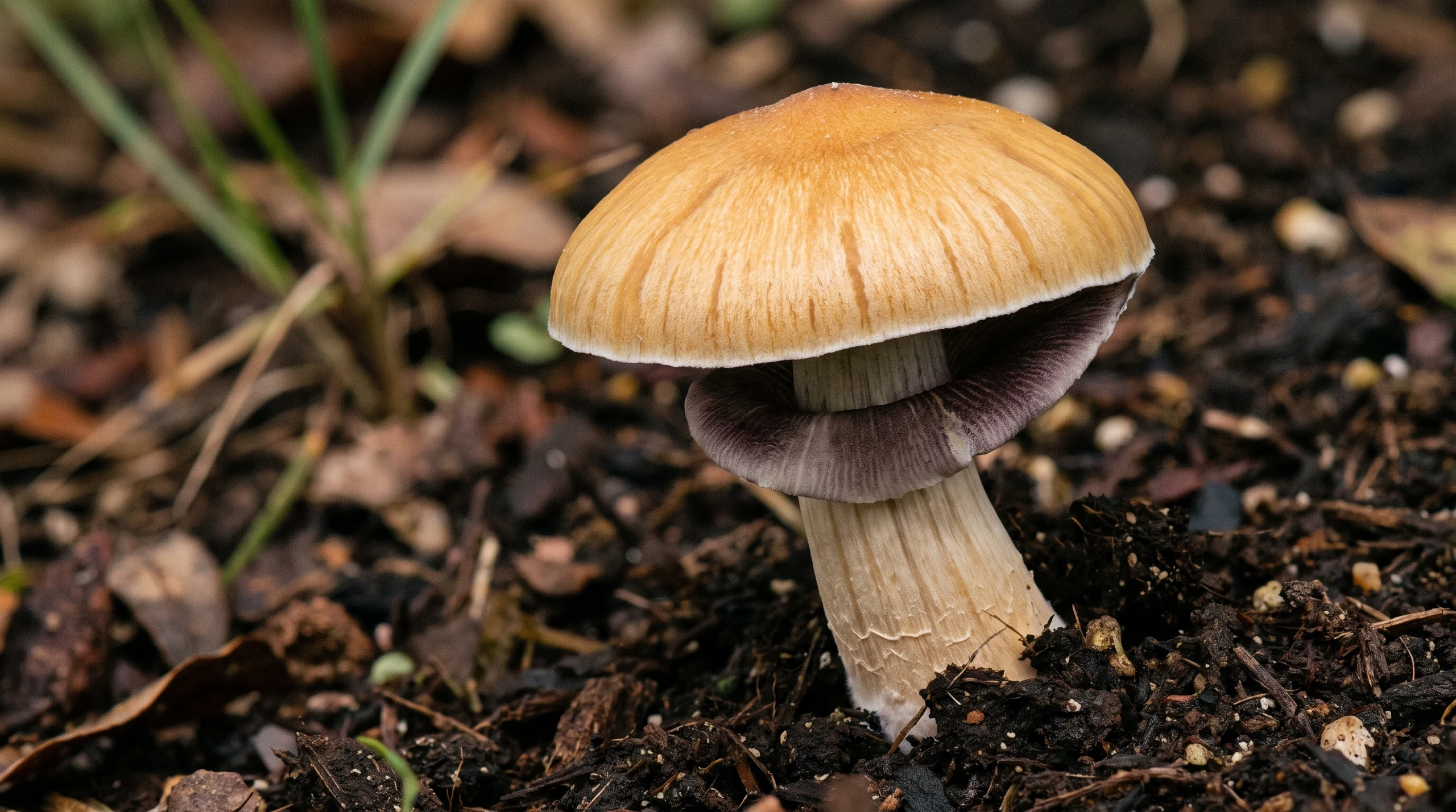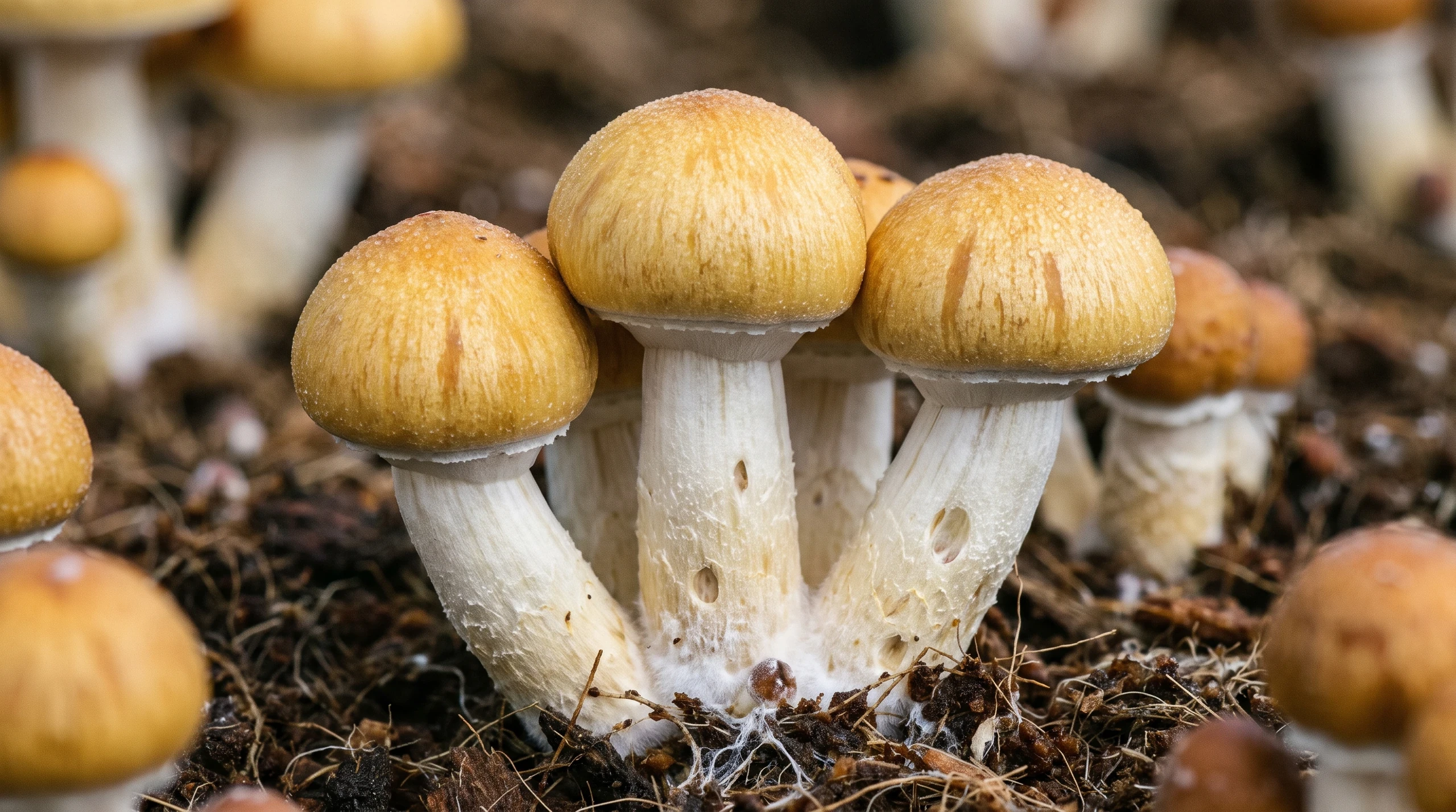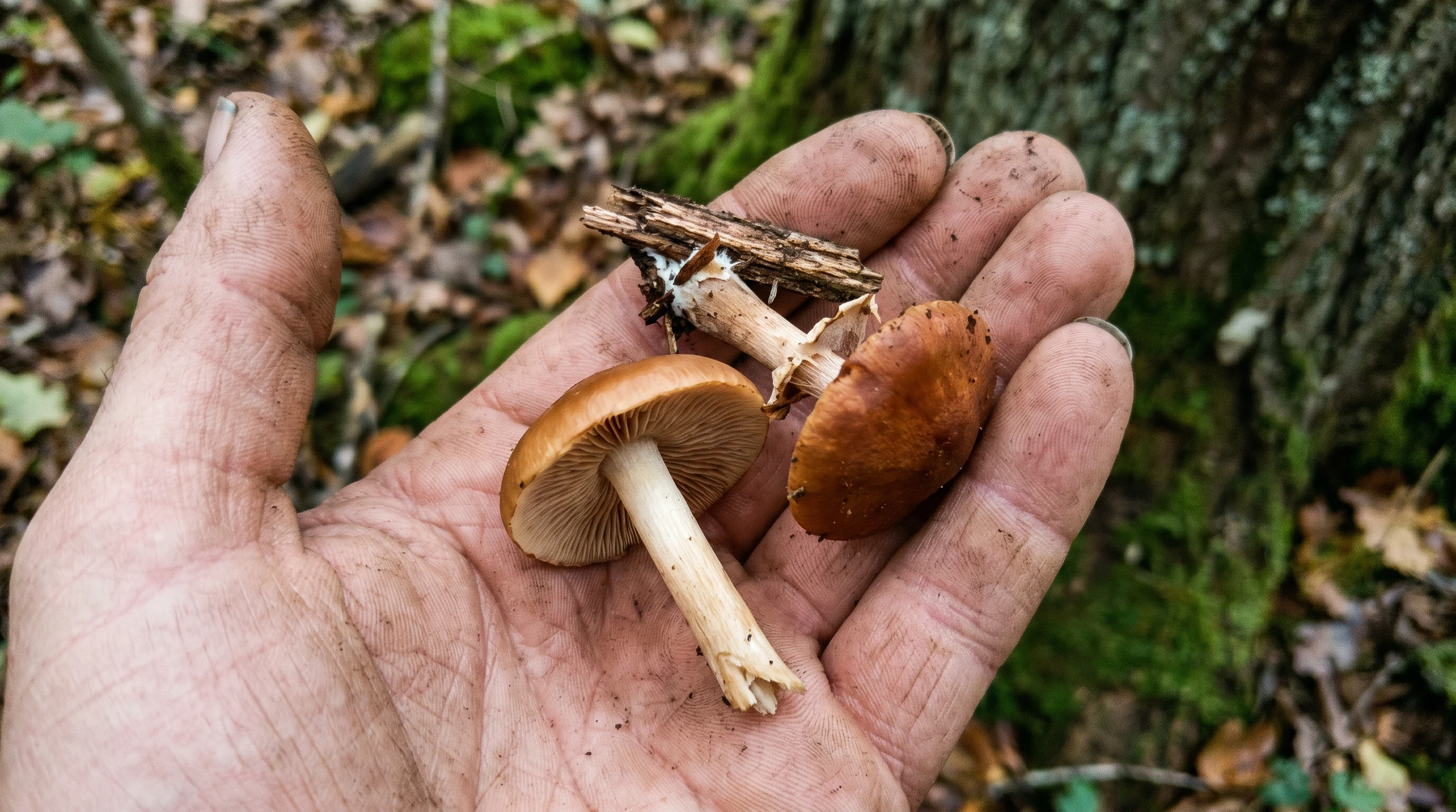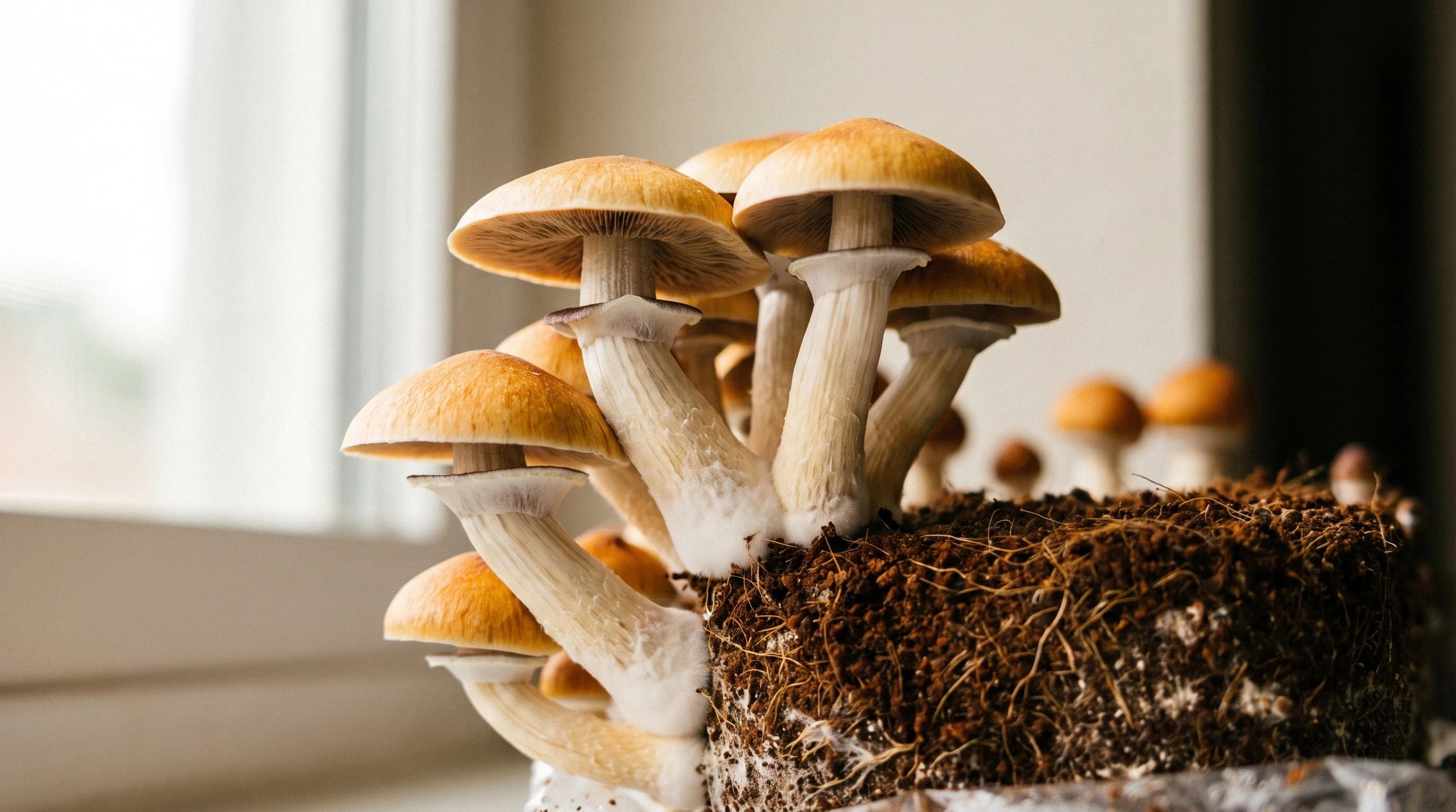
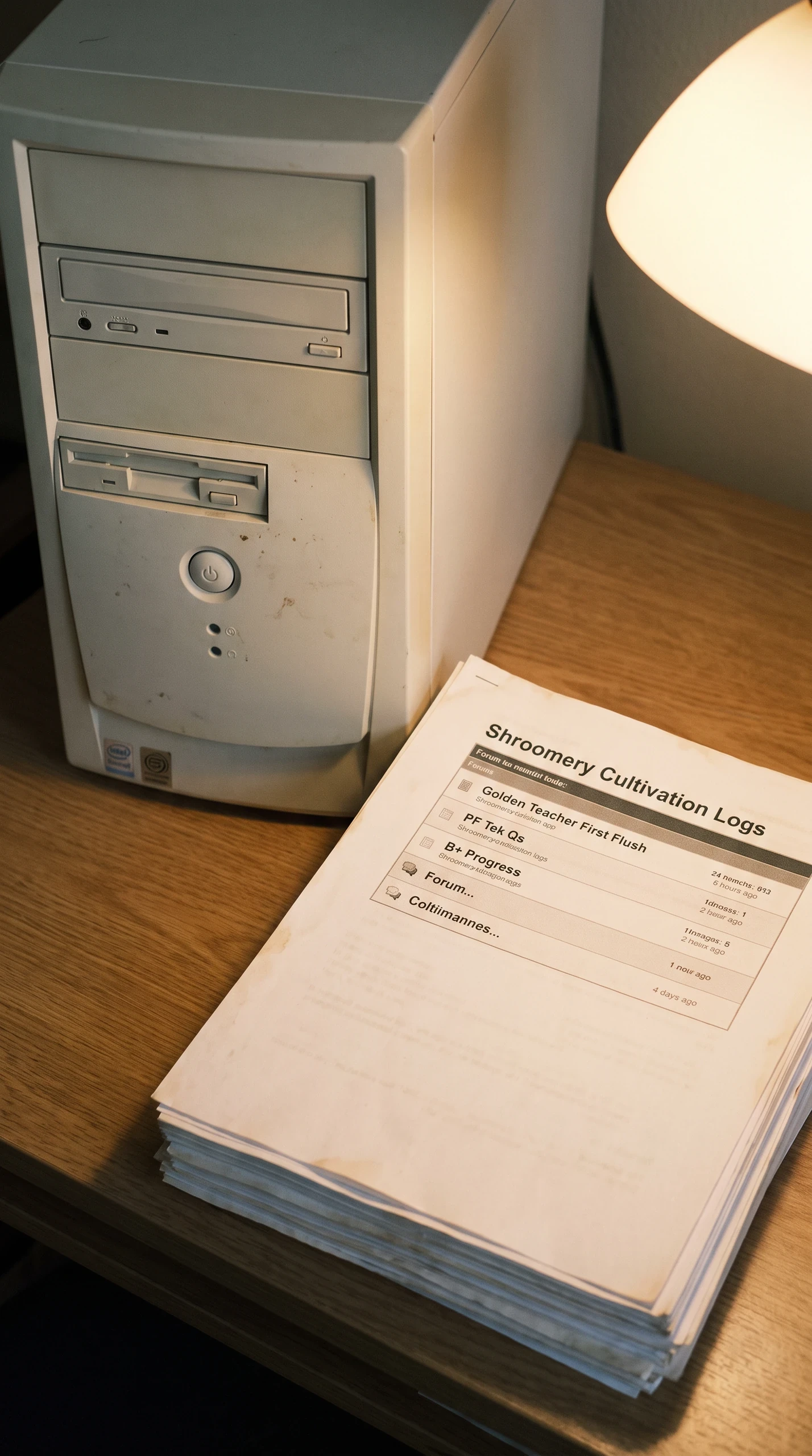
The Golden Teacher cultivar appeared on the Shroomery forum sometime in the early 2000s, though pinning down the exact moment is like asking when a rumor became a fact. By 2005, first-time growers were already posting cultivation logs with the strain's name in the thread title, treating it as a known quantity, a friendly entry point into home mycology. Before that, the trail goes cold. No one can say for certain who uploaded the first spore print, who coined the name in a post, or whether the cultivar had been circulating privately for years before it surfaced in public view. What we do know is that once Golden Teacher landed on the Shroomery, it stuck, and the forum became the platform that turned a single isolated strain into the most recognizable Psilocybe cubensis cultivar in the world.
The Internet Before the Shroomery
In the mid-1990s, before the Shroomery existed, information about psilocybin mushroom cultivation was scarce and scattered. A few early websites hosted scanned PDFs of out-of-print cultivation guides from the late 1970s, relics of the first wave of home mycology that followed the publication of techniques for growing Psilocybe cubensis indoors. The Lycaeum and a handful of other clearinghouses archived trip reports and basic botany, but there was no central forum, no real-time Q&A, no place where a beginner could post a blurry photo of contaminated substrate and get an answer within the hour. The knowledge existed, but it was static, siloed, hard to verify. You either knew someone who knew someone, or you ordered a book and hoped the techniques still worked.
The Shroomery launched around the turn of the millennium, originally hosted at drh.net/shroomery, and it filled that gap. The site offered message boards organized by topic, mushroom cultivation, advanced mycology, trip reports, a harm-reduction section called The Pub, and it quickly became the place where amateurs taught each other what the books left out. Unlike earlier sites, the Shroomery was collaborative and iterative. A user could document an entire grow from spore syringe to harvest, posting photos at each stage, and the community would troubleshoot in real time. That feedback loop, question and answer, failure and refinement, turned the forum into a living manual that updated itself.
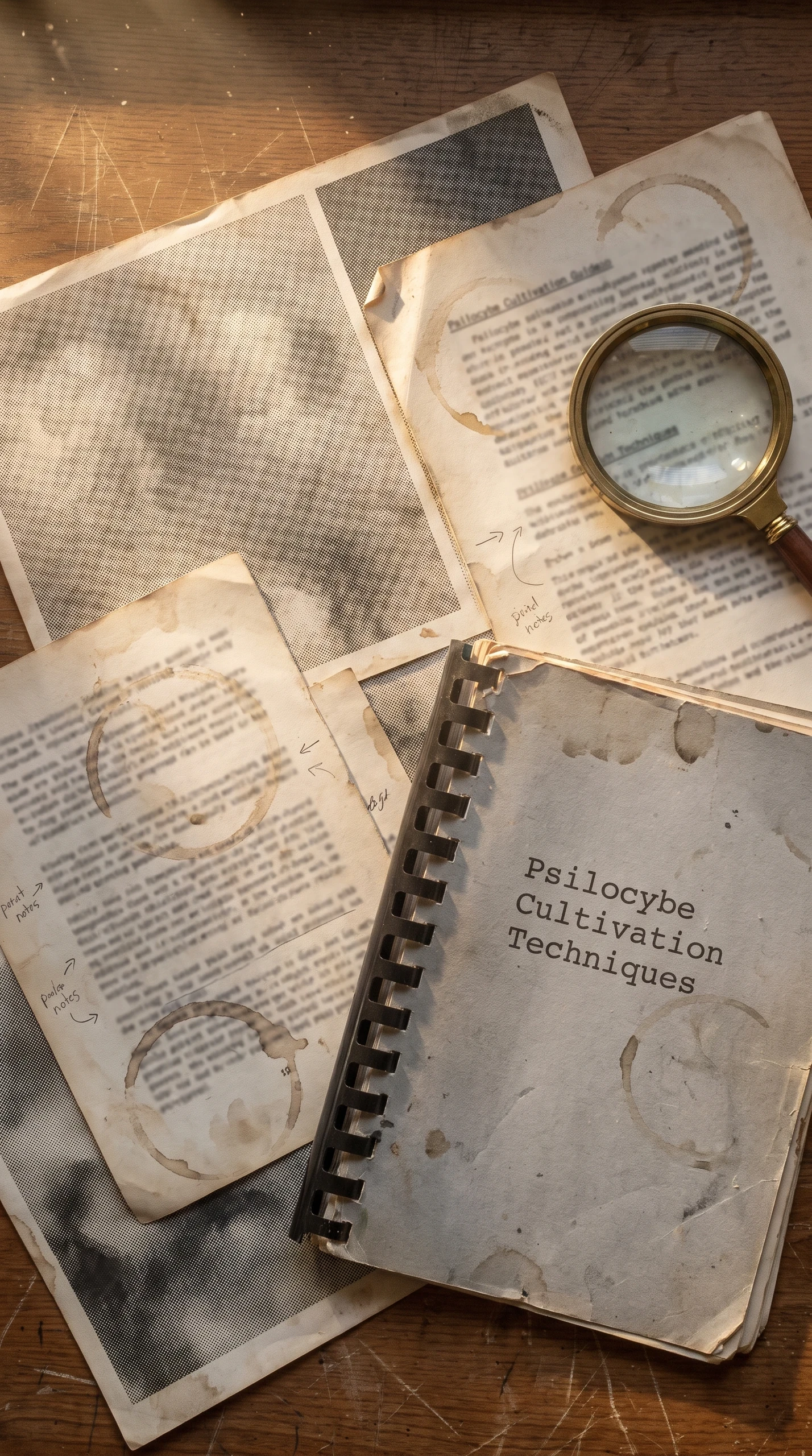
By the time Golden Teacher appeared, the Shroomery was already a well-established hub. The forum had survived the early 2000s legal climate, when possession of spore syringes occupied a gray zone and even discussing cultivation techniques felt like a minor act of civil disobedience. The site's longevity, now spanning more than 25 years, gave it legitimacy. If you wanted to grow mushrooms and you had an internet connection, you ended up on the Shroomery. And if you were deciding which strain to start with, you scrolled through cultivation logs until a name kept coming up. In the mid-2000s, that name was often Golden Teacher.
The Strain That Needed No Introduction
The earliest archived Golden Teacher grow log on the Shroomery dates to 2005, but the posts read as if the strain had already been around for a while. No one explains where it came from. No one asks. The assumption, shared across dozens of threads, is that Golden Teacher is a reliable beginner strain, forgiving of mistakes, high-yielding, visually distinctive with its golden caps and thick white stems. The cultivar had evidently earned that reputation before the forum's search index can prove it.

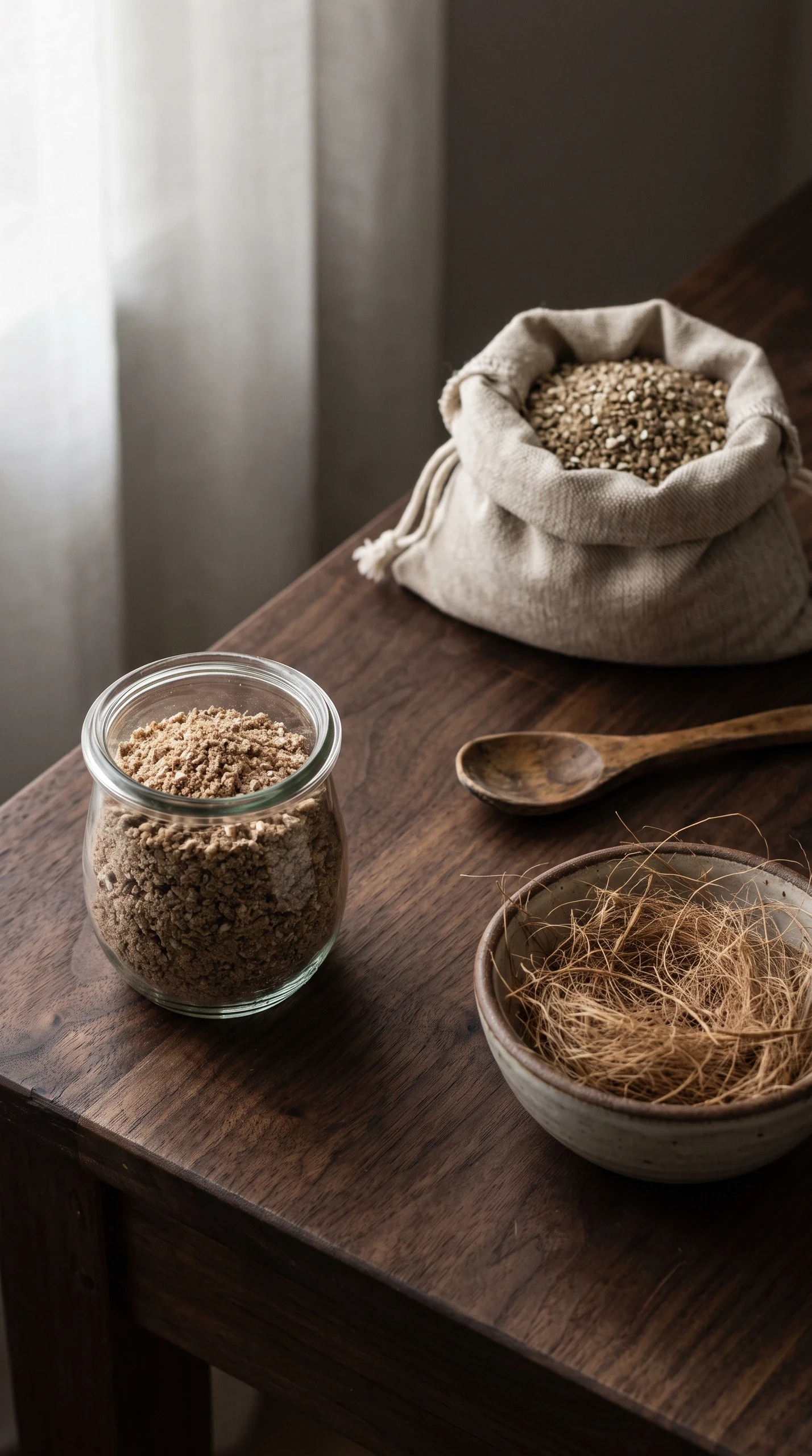
What the Shroomery did document, in granular detail, was how Golden Teacher performed under every conceivable condition. Brown rice flour cakes in shotgun fruiting chambers. Monotubs with coir and vermiculite. Unmodified tubs, neglect tek, variations on the PF Tek method that had been the beginner standard since the early 1990s. Growers posted side-by-side comparisons: Golden Teacher next to B+, next to Ecuador, next to whatever other cubensis variety they were testing that month. The verdict, repeated across years of threads, was that Golden Teacher colonized fast, pinned reliably, and fruited in thick clusters even when conditions were suboptimal. It was, in the forum's vocabulary, a workhorse.
The name itself did some of the work. "Golden Teacher" sounded approachable, almost pedagogical, nothing like the more aggressive strain names that circulated in the same era. It suggested gentleness, wisdom, a mushroom that would guide rather than overwhelm. Whether that reputation was earned or projected is hard to say. Anecdotal reports on the forum described a balanced, introspective experience, but anecdotal reports on the Shroomery also described every other cubensis strain as either "visual and energetic" or "mellow and philosophical," depending on who was posting and what kind of trip they wanted to have. The placebo effect of a name is real. If you expect the Golden Teacher to teach, it probably will.
Spore Vendors and the Spread
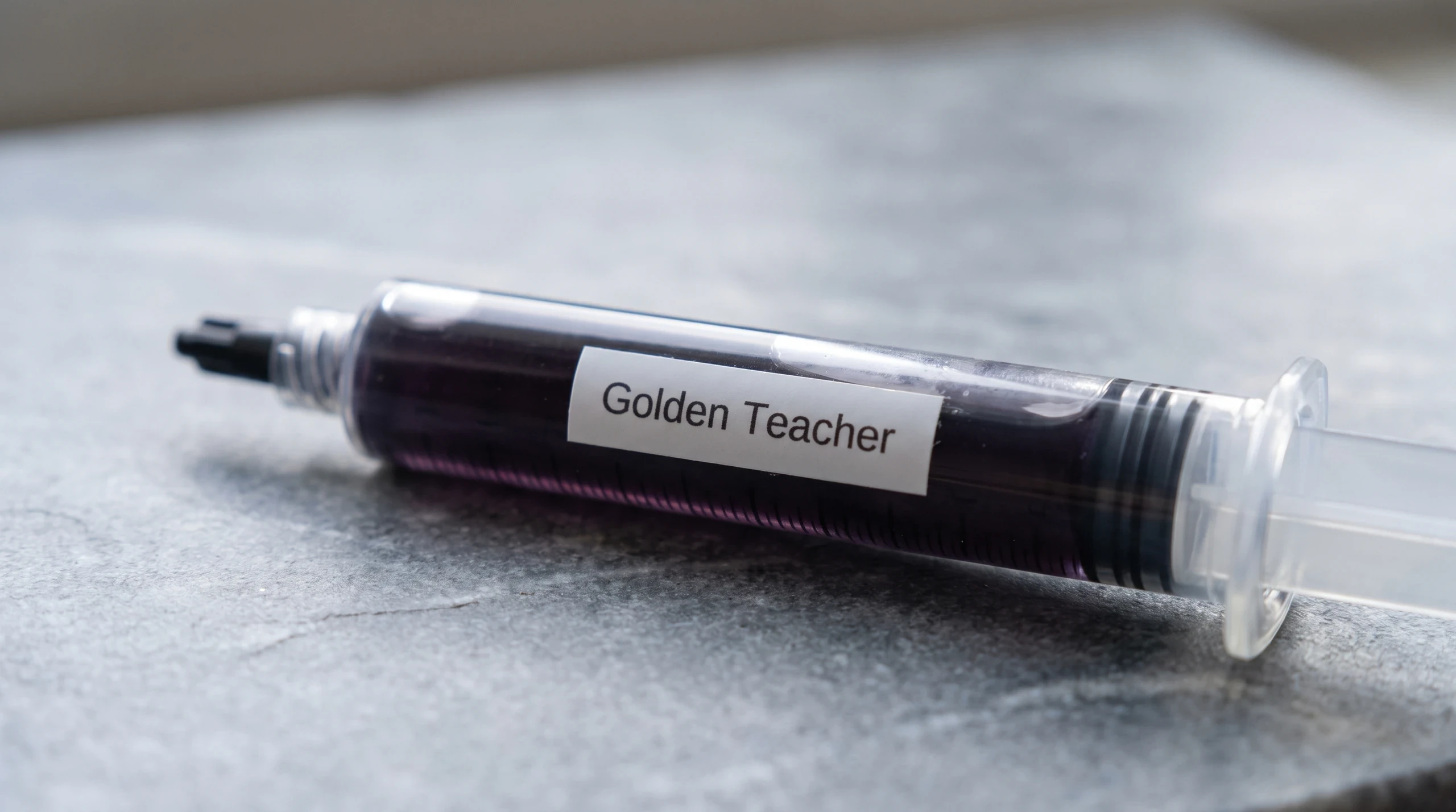
By the late 2000s, nearly every spore vendor offered Golden Teacher syringes. The strain's ubiquity on the Shroomery had made it a commercial inevitability. Vendors read the forums, saw which strains beginners asked about most often, and stocked accordingly. Golden Teacher became a catalog staple alongside the older, more established varieties, but it occupied a special niche. It was the strain you recommended to someone who had never grown mushrooms before and wanted a near-guaranteed first flush.
The relationship between the Shroomery and the spore market was symbiotic. Vendors advertised discreetly in forum signatures and sponsored posts. Growers compared vendor reviews in dedicated threads, rating syringes for cleanliness, viability, shipping speed. The forum acted as quality control, an informal regulatory body in a space where no formal regulation existed. If a vendor sold contaminated syringes or disappeared with payment, the Shroomery would know within days. If a strain performed well across multiple grow logs from different users, it became canon. Golden Teacher benefited from that feedback loop more than most. The cultivar's consistency, its tendency to fruit even for users who admitted they had no idea what they were doing, made it review-proof.
The Shroomery also functioned as an archive of cultivation knowledge that was otherwise ephemeral. Early psilocybin cultivation guides, the ones published in the 1970s and 1980s, were out of print or circulating as photocopies. The techniques in those guides, growing cubensis on rye grain or agar plates, assumed access to equipment and a tolerance for trial and error that most beginners did not have. The PF Tek, developed in the early 1990s, simplified the process, but even that method required troubleshooting. The Shroomery's value was not in inventing new techniques but in documenting what worked, post by post, photo by photo. Golden Teacher became the test case, the strain that proved the techniques were sound. If it could fruit in a closet in Ohio in February with no humidity control, the method was legitimate.
The Shadow History
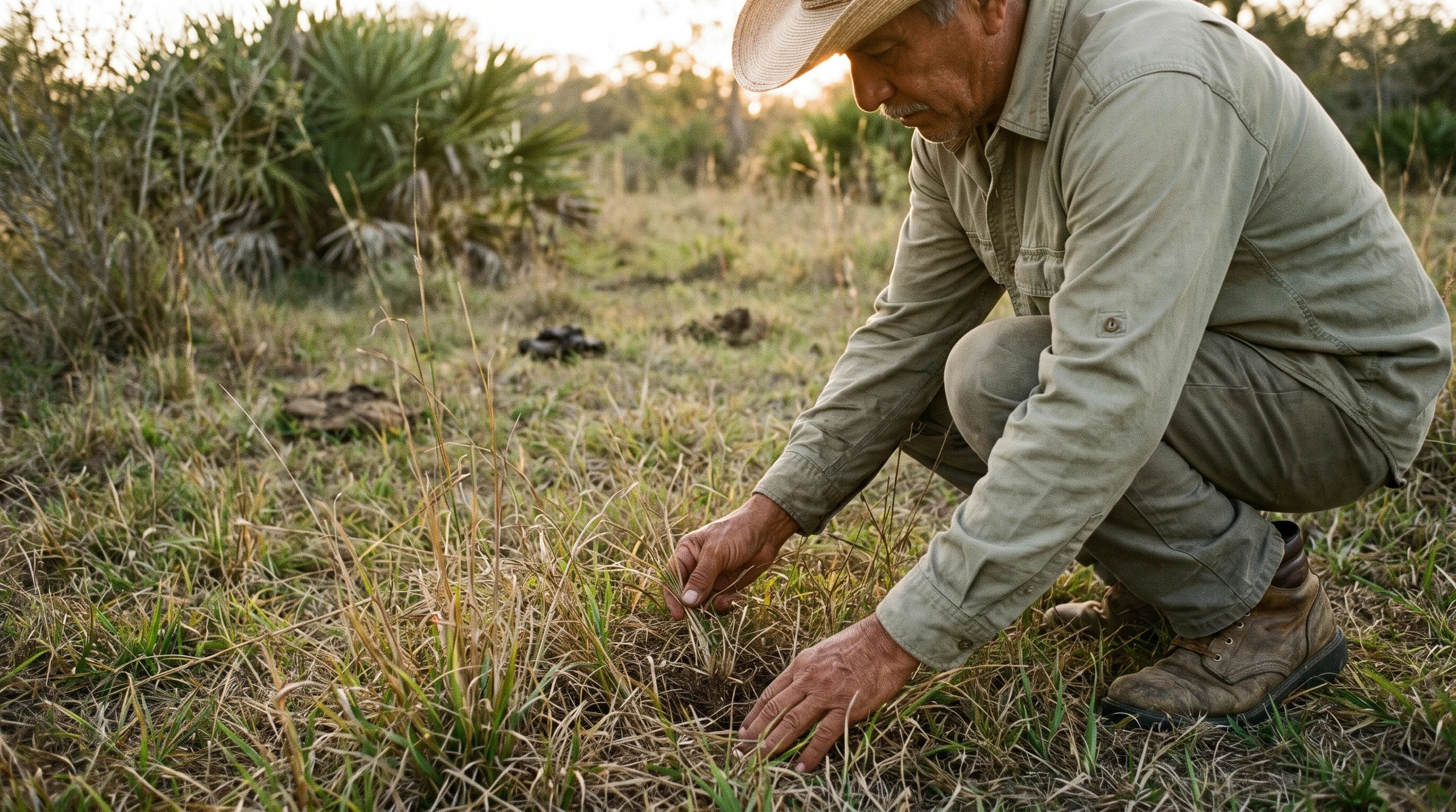
What the Shroomery did not document, because it could not, was where Golden Teacher came from before it had a name. The cultivar is widely believed to have been isolated from a wild Florida specimen in the late 1980s, but that origin story is more folklore than verified fact. No one has ever claimed credit for the isolation. No grow log exists from 1988 showing the first successful print. The name appears in hobbyist literature around 1989, but those references are secondhand, citations without sources, the kind of details that get passed along until they harden into history.
This absence is not unusual. The early mycology scene, the one that predated the Shroomery and the wider internet, was insular and pseudonymous. Growers used handles, traded prints by mail, and kept quiet about their methods. If you isolated a new strain, you might share it with a few trusted contacts, but you would not take out an ad. The legal climate made documentation risky. Psilocybin remained, and remains, a Schedule I controlled substance in the United States, and while spores are legal in most states for microscopy purposes, the line between research and cultivation was always thinner than the law pretended.
The Shroomery changed that calculus slightly. The forum's harm-reduction framing, its insistence that it existed for educational purposes, gave users a degree of cover. Posts were public, searchable, archived, but they were also plausibly deniable. Talking about mushroom cultivation in the abstract, posting photos of mycelium with no location metadata, that was not the same as admitting possession. The Shroomery's terms of service banned discussion of selling, trading, or consuming psilocybin mushrooms. It was a mycology forum, not a drug forum. That distinction was always somewhat fictional, but it held.
Golden Teacher's appearance on the Shroomery, then, represented a moment when a cultivar that had circulated privately became part of the public record. Whoever first posted a grow log with that strain name was not necessarily the person who isolated it, or even the first person to grow it. They were just the first person willing to document it in a space where thousands of strangers could see. The forum did not create Golden Teacher. It made it legible.
Who Gets Remembered
The history of psilocybin mushrooms in the West is usually told as a series of rediscoveries. R. Gordon Wasson's 1957 Life magazine article, the one that introduced middle-class Americans to the Mazatec velada ceremony, gets cited as the beginning. Albert Hofmann's isolation of psilocybin in 1958, Timothy Leary's experiments at Harvard, the publication of the first indoor cultivation guides in the 1970s, these are the landmarks. The people who figure in that history are almost always white men, scientists or journalists or counterculture figures who wrote books and gave interviews and left an archive behind.
The people who do not figure in that history are the Mazatec and other Indigenous communities who used psilocybin mushrooms ceremonially for centuries before Wasson showed up. María Sabina, the curandera who shared the velada with Wasson, spent the last decades of her life regretting it. The attention Wasson's article brought turned her village into a pilgrimage site for Western seekers, and the sacred context of the mushrooms was flattened into recreational drug use. Sabina did not ask to be remembered as the woman who gave the West psychedelics. The West decided that for her.

The Shroomery exists downstream of that history, but it also complicates it. The forum is not a ceremonial space. It is not particularly interested in Indigenous knowledge or the ethics of extraction. It is a pragmatic, DIY community focused on growing mushrooms at home, cheaply and reliably. Golden Teacher, as a cultivar, has no connection to traditional use. It is a domesticated strain, selected for traits that matter in a monotub but would be irrelevant in a pasture. The people growing it on the Shroomery are not continuing an Indigenous practice. They are doing something new, or at least newer.
That does not make the colonial history irrelevant. Psilocybin is still a controlled substance, which means that the people most likely to face legal consequences for possessing it are not the hobbyists documenting grows on the Shroomery. They are the people in communities already over-policed, already criminalized for drug offenses that wealthier users treat as minor infractions. The Shroomery's harm-reduction ethos, its focus on safety and education, is valuable, but it does not address the fact that access to that harm reduction is not evenly distributed. If you cannot afford a computer, or reliable internet, or the upfront cost of spores and substrate, the Shroomery might as well not exist.
The forum also inherits the problem of erasure. Golden Teacher's origin story is murky because the people who might have isolated it in the 1980s had good reason not to claim credit. But that murkiness also means that certain kinds of knowledge, the embodied, informal kind that gets passed along in person rather than posted online, disappear from the record. The Shroomery is an archive, but it only archives what gets posted. Everything else is dark matter.
What the Forum Became
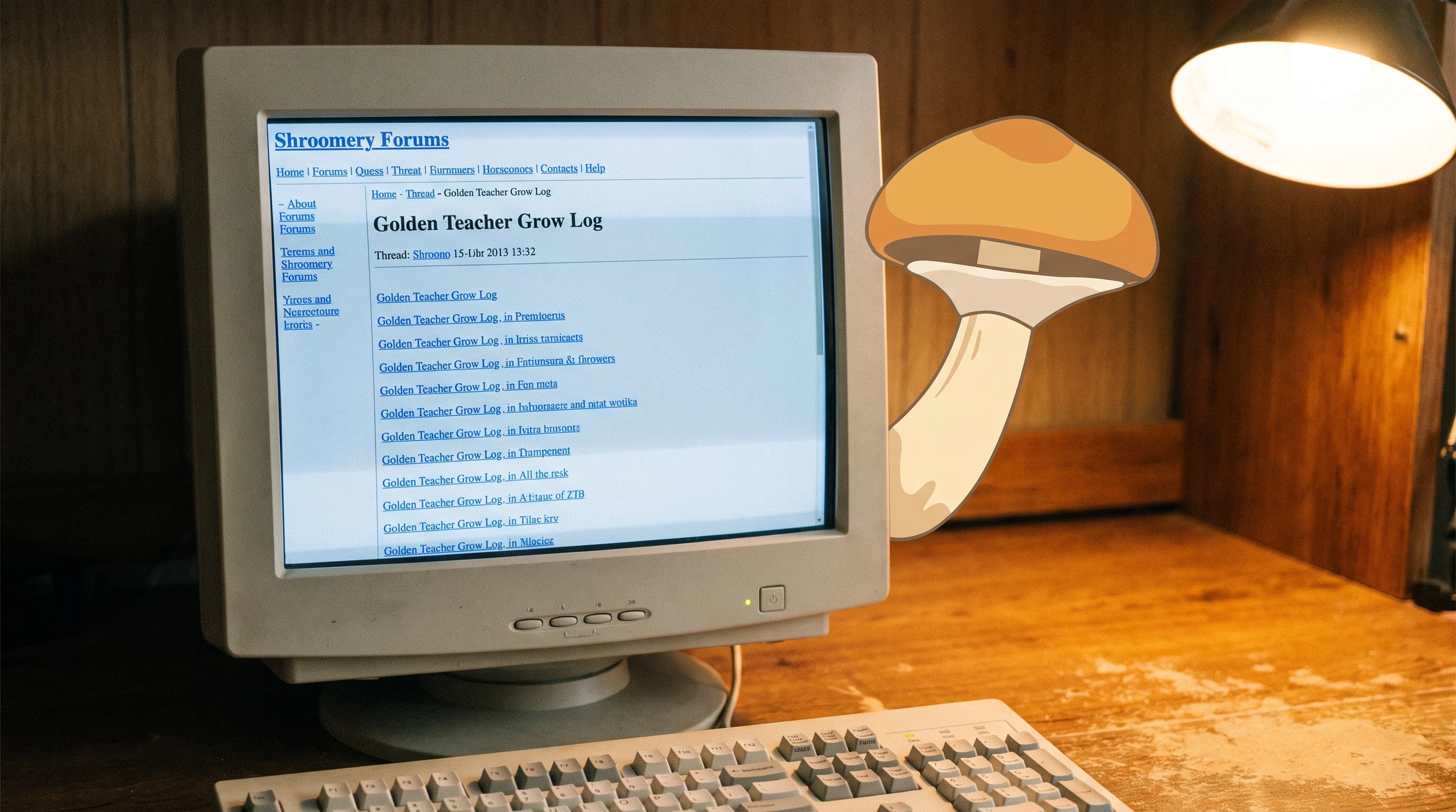
By the 2010s, the Shroomery had competition. Reddit's r/shrooms and r/MushroomGrowers offered similar communities with a more modern interface. YouTube and Instagram became platforms for grow logs, though posting cultivation content there carried its own risks. The Shroomery, with its early-2000s message board layout and its strict prohibition on sourcing, started to feel like a relic. But it remained the most comprehensive resource, the place you went when Reddit's sidebar did not answer your question and YouTube's algorithm kept recommending the same three videos.
Golden Teacher remained the default beginner strain. Every "first grow" post, on the Shroomery or anywhere else, seemed to start with either Golden Teacher or B+. The two strains became interchangeable in the cultural imagination, generic cubensis, the Toyota Camry of psychedelics. Potency varied from cap to cap, from flush to flush, but that variability was part of the appeal. Golden Teacher was predictable enough to trust, unpredictable enough to respect. It would not kill you, assuming you did not confuse it with something toxic, but it also would not let you take it for granted.
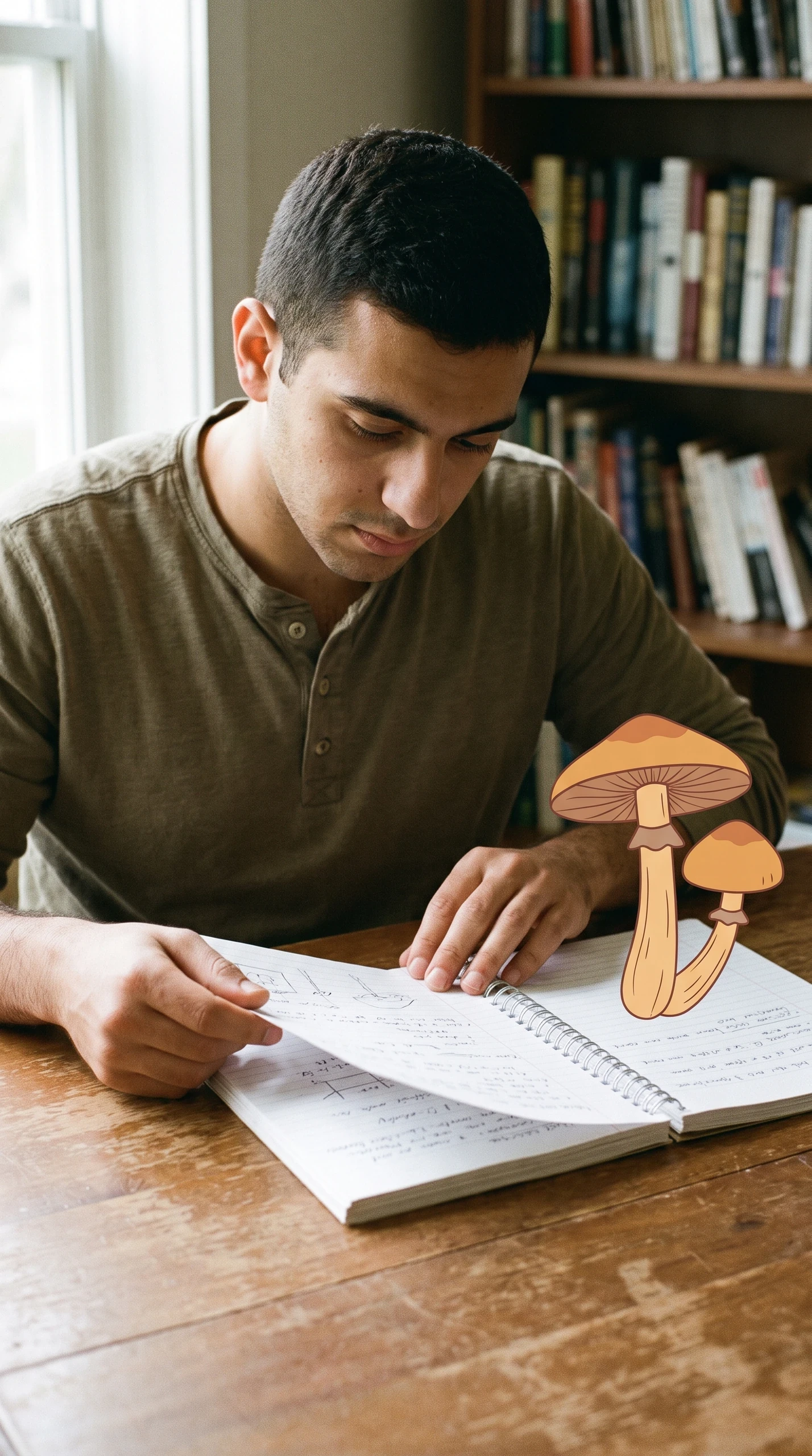
The forum's legacy, if it has one, is democratization. Before the Shroomery, psilocybin cultivation was gatekept by access to out-of-print books, mail-order catalogs, and the kind of social networks that required you to already know someone. After the Shroomery, it was a skill you could teach yourself in a weekend, assuming you had $50 for supplies and the patience to read a few stickied threads. That democratization came with costs. The forum could not control who used the information, or how, or whether they ended up in legal trouble. It could not make psilocybin legal. It could only make the knowledge public.
Golden Teacher was the vehicle for that knowledge more often than not. The strain's ease of cultivation meant that it showed up in grow logs from users in countries where the Shroomery was blocked, where psilocybin carried harsher penalties, where even discussing the forum could be risky. The cultivar traveled, silently and illegally, in spore prints mailed in greeting cards and in photos uploaded from internet cafes. It became psychedelia's icon not because it was the strongest or the most exotic, but because it was the one people could actually grow. The Shroomery made that possible. Whether that was a good thing depends on who you ask.
The Unresolved Questions
The history of Golden Teacher on the Shroomery is the history of amateur mycology becoming a public practice, archived and searchable, taught stranger to stranger in forum threads that scroll past hundreds of posts. It is also the history of a substance that remains illegal almost everywhere, discussed openly on a website that has somehow avoided the legal battles that shut down other harm-reduction spaces. The Shroomery has lasted 25 years. Golden Teacher has lasted almost 40, if you count from the earliest unverified references in the late 1980s. Both have survived longer than most people expected.
What gets lost in that survival is the question of what comes next. The recent wave of psilocybin decriminalization in cities like Denver and Oakland, the FDA's designation of psilocybin as a breakthrough therapy for depression, these shifts suggest that the legal landscape might eventually change. If it does, the Shroomery's role changes with it. A forum that existed to circumvent prohibition becomes a historical artifact, a record of how people taught themselves to grow mushrooms when no one else would teach them. Golden Teacher, the workhorse strain that fruited in closets and spare bedrooms across the world, becomes a footnote in someone else's story.
Or maybe it does not. Maybe the forum keeps going, and Golden Teacher keeps showing up in first-grow threads, and the knowledge keeps circulating in the same DIY networks it always has. The Shroomery never needed legitimacy. It just needed people willing to post. That has not changed. The mushrooms do not care whether they are legal.
Frequently asked questions
When did Golden Teacher first appear on the Shroomery forum?
Why did Golden Teacher become so popular on the Shroomery?
Did the Shroomery invent Golden Teacher?
What role did the Shroomery play in mushroom cultivation culture?
Is the information on the Shroomery still relevant today?
Ready to apply what you've learned?
Browse lab-tested magic mushrooms, edibles, microdose capsules and teas — shipped discreetly across the United States.