The promise of microdosing rests on a fragile assumption: that you can measure out a consistent sub-perceptual dose, day after day, with nothing but a kitchen scale and a bag of dried mushrooms. For Golden Teacher enthusiasts chasing the microdosing protocol they read about online, the problem arrives before the first capsule gets packed. Psilocybin content in a single flush of Golden Teacher can swing by a factor of two or more, cap to cap, and the average concentration tells you almost nothing about the actual mushroom in your hand. The evidence for microdosing's benefits remains thin enough that expectation may be doing most of the work, but even if the practice had robust data behind it, the potency lottery would still be in play.
The Microdosing Pitch and the Golden Teacher Connection
Microdosing typically means consuming roughly one tenth to one twentieth of a recreational dose, on a schedule, three or four days a week, with the goal of improved mood, focus, or creativity without perceptual distortion. Golden Teacher shows up in these conversations more than most strains, not because its alkaloid profile has been optimized for sub-threshold effects, but because it became one of the first widely available Psilocybe cubensis cultivars with a reputation for forgiving grow conditions and moderate potency. Moderate sounds safe. Forgiving sounds accessible. The name itself, Golden Teacher, carries a pedagogical gentleness that meshes well with the rhetoric of microdosing as a wellness intervention rather than a psychedelic experience.
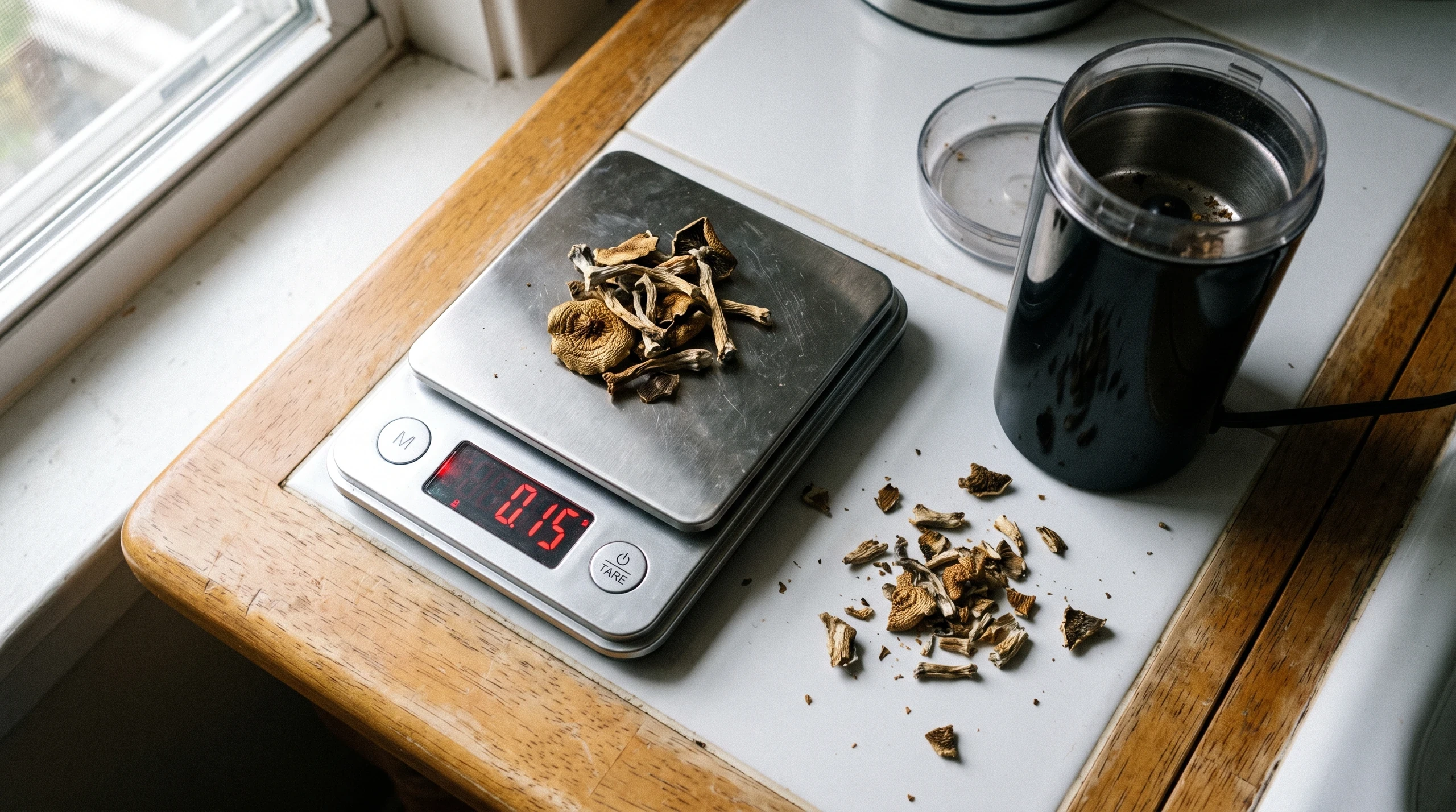
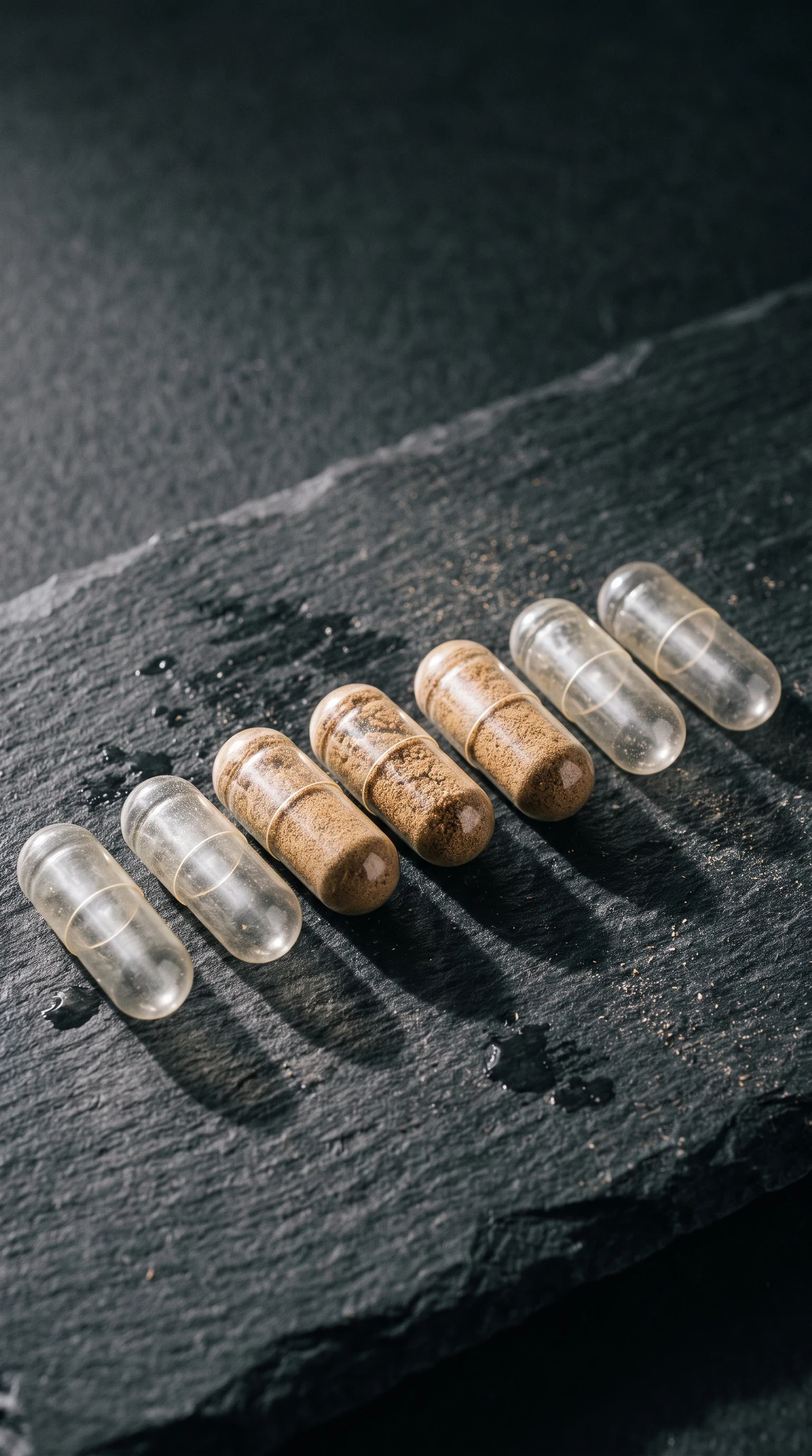
The mechanics are simple on paper. Grind dried mushrooms into powder, weigh out 100 to 300 milligrams, pack it into a gelatin capsule, repeat. What the Reddit guides and Medium essays rarely address is that those 100 milligrams might contain anywhere from 0.5 to 1.2 milligrams of psilocybin, or they might contain less than 0.3, depending on which part of which mushroom from which flush you happened to grind that morning. A study published in Translational Psychiatry used 0.5 gram capsules of dried Psilocybe cubensis as the microdose condition in a placebo-controlled trial, but even that standardized weight delivered a dose range, not a dose.
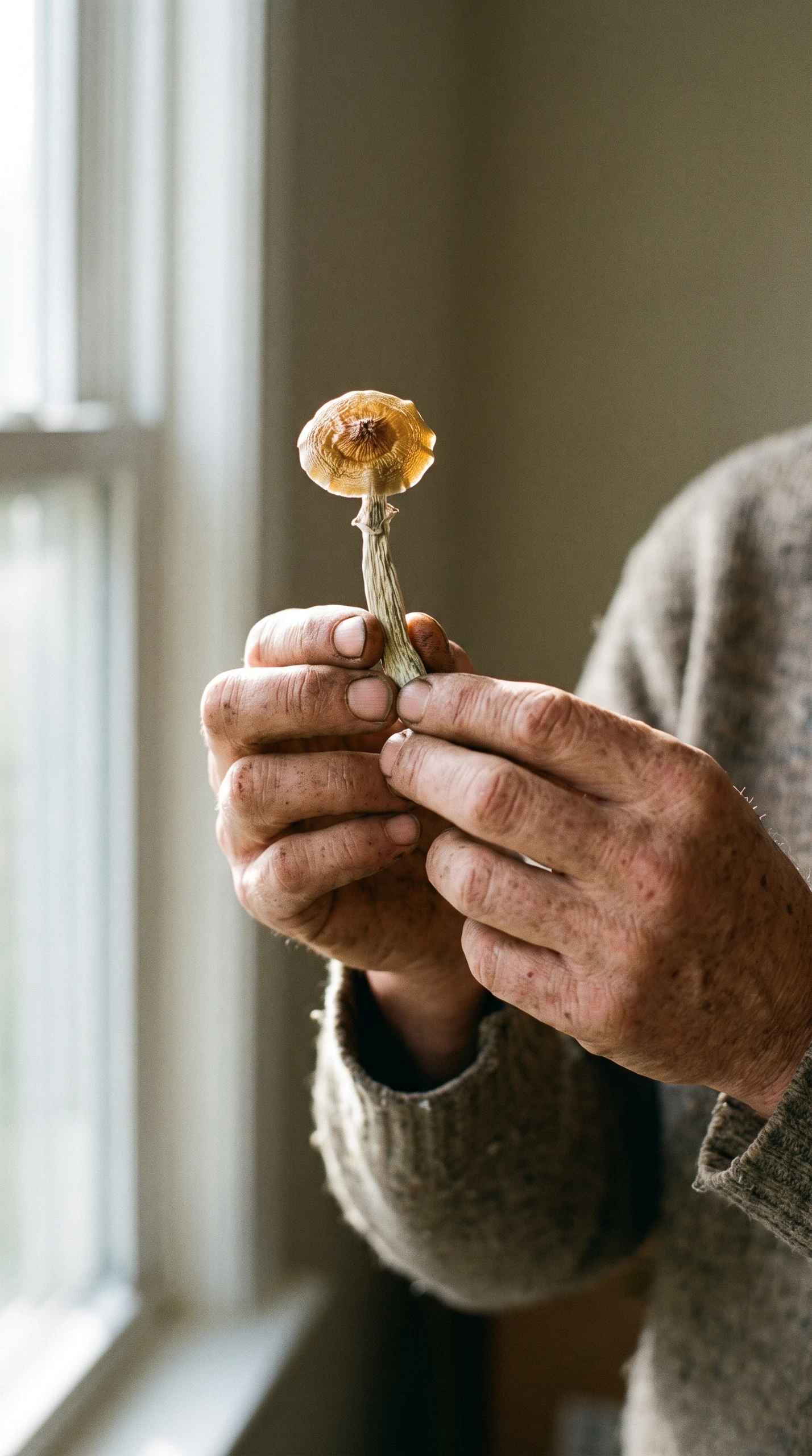
The appeal is understandable. If psilocybin can reorganize neural networks at macro doses, maybe a whisper of the same compound can nudge cognition in useful directions without the commitment of a six-hour trip. The problem is that the whisper's volume keeps changing.
What the Chromatography Data Actually Show
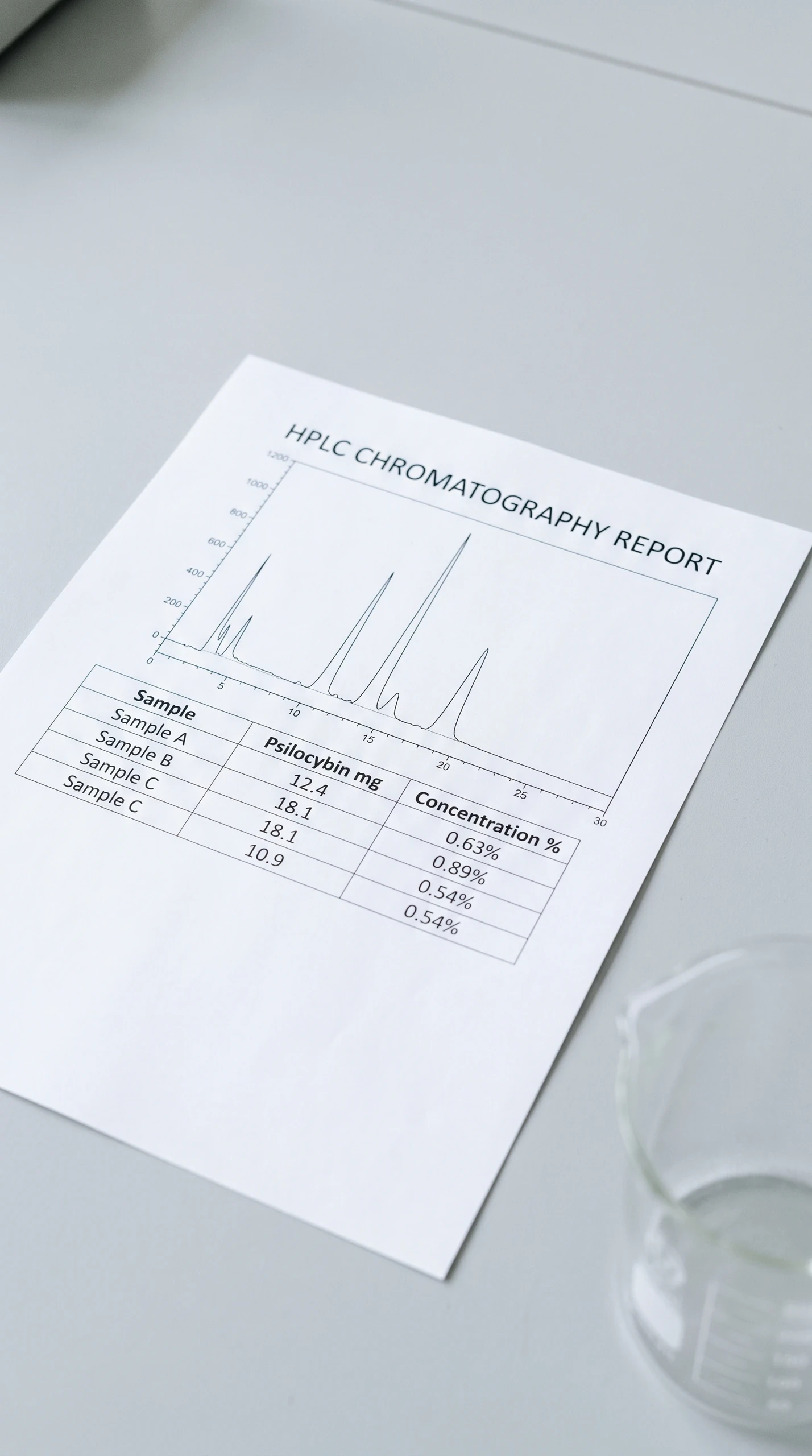
When researchers run high-performance liquid chromatography on Golden Teacher samples, the numbers that come back are ranges, not constants. Typical figures for dried Golden Teacher sit between 0.5 and 0.9 percent psilocybin by weight, which sounds narrow until you remember that the top of that range contains nearly twice as much alkaloid as the bottom. A comprehensive analysis of 14 Psilocybe cubensis strains found total tryptamine concentrations varying more than sevenfold across strains, with substantial intra-strain variability on top of that. Golden Teacher falls in the middle of the potency spectrum compared to something like Penis Envy, which can run two or three times stronger, but middle-of-the-road does not mean predictable.
The variation shows up at every level. Different grows of the same strain, handled by the same cultivator using the same substrate, still produce mushrooms with measurably different alkaloid concentrations. Caps contain more psilocybin than stems, consistently, but the ratio is not fixed. First-flush mushrooms tend to be more potent than fourth-flush mushrooms from the same cake, though the drop is not linear and occasional reversals happen. Drying temperature, storage conditions, and time since harvest all degrade psilocybin at different rates depending on humidity and light exposure. Even if you could somehow obtain a batch of Golden Teacher with a known average potency, the individual caps in that batch would cluster around the mean with enough spread that picking three random specimens would give you three different doses.
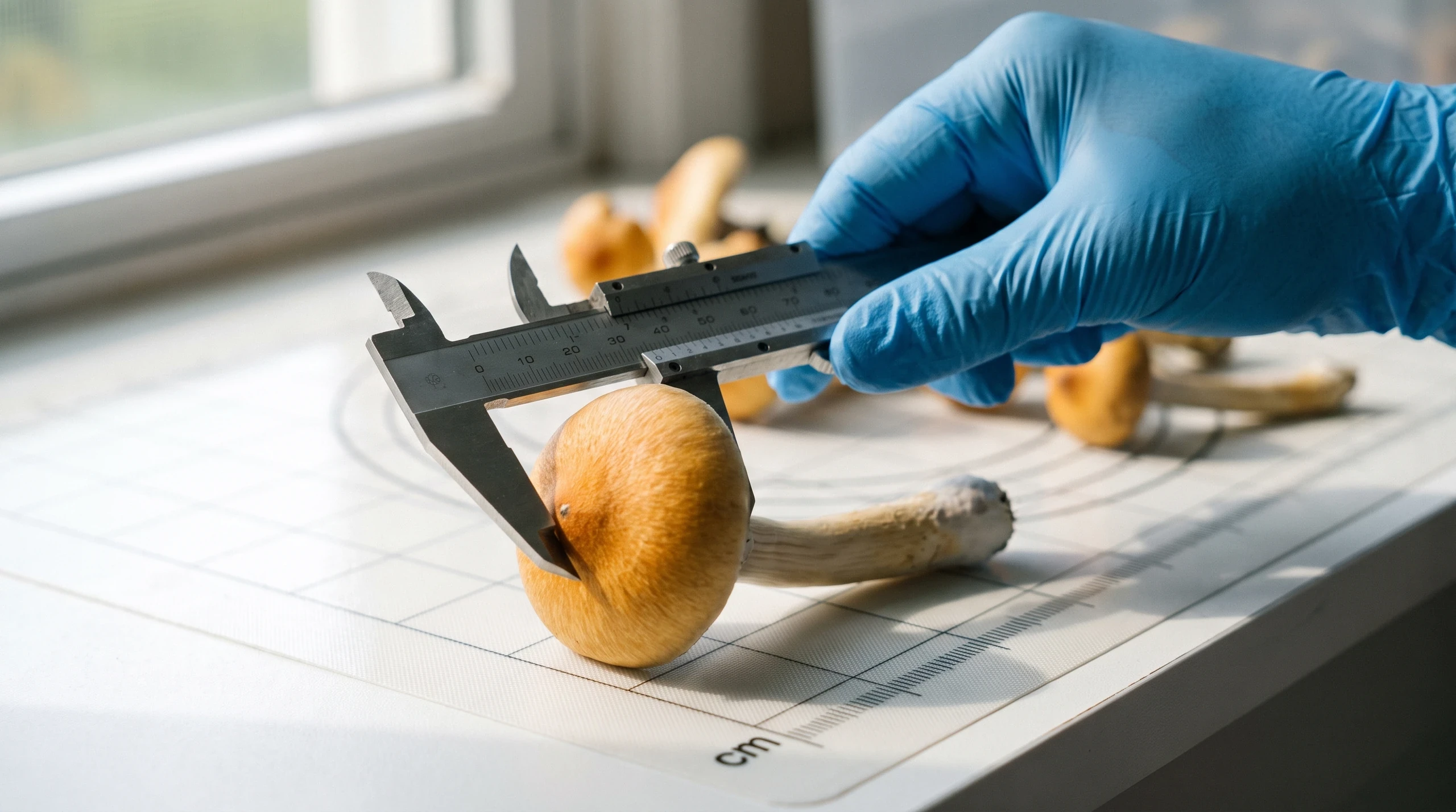
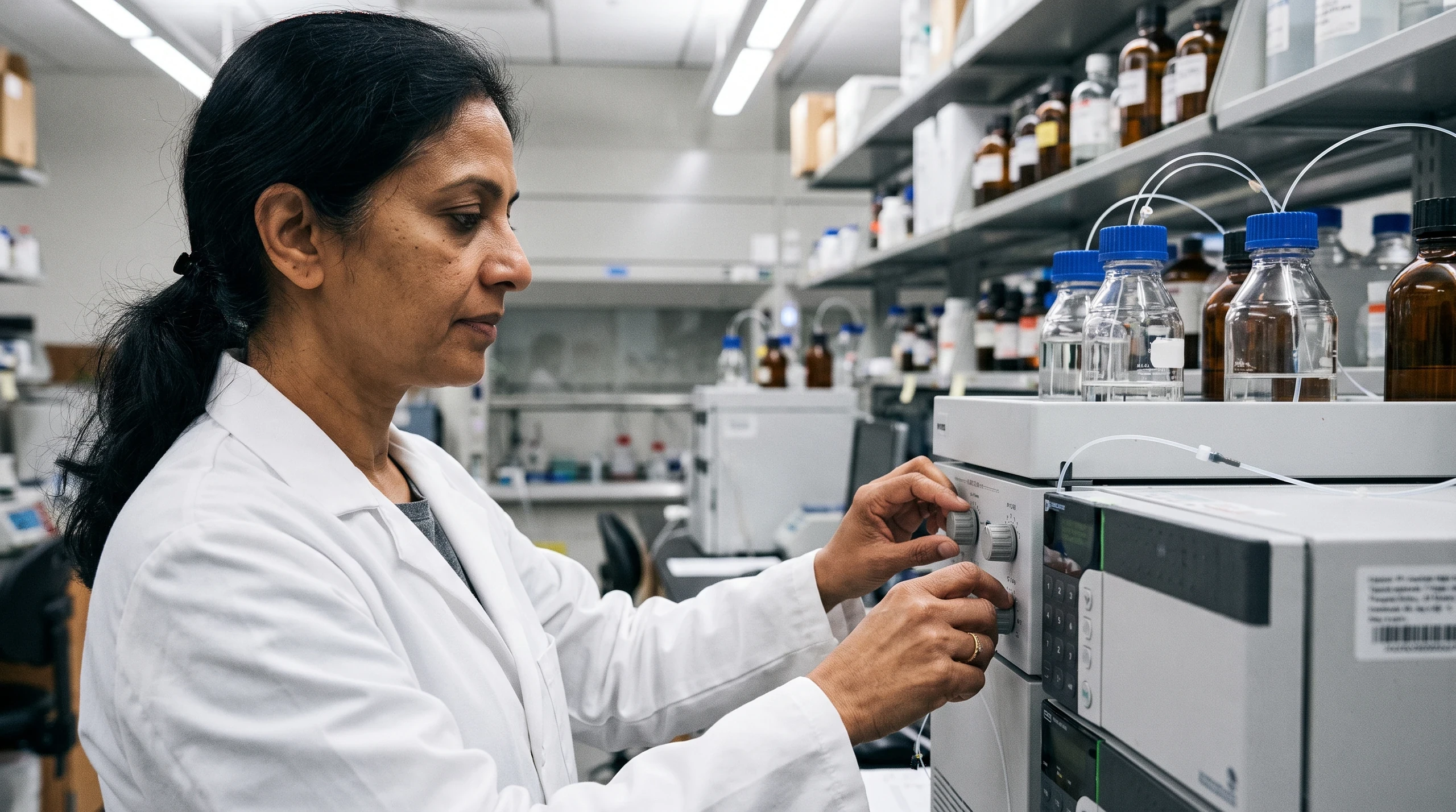
The analytical methods exist to measure this precisely. HPLC with UV detection can quantify psilocybin down to the nanogram, and LC-MS/MS offers even tighter resolution. Labs that serve the emerging legal psilocybin industry run these assays as a matter of course, generating certificates of analysis that list psilocybin and psilocin content to two decimal places. The home microdosing enthusiast, working with a $20 scale accurate to 0.01 grams, is operating in a different universe. Weighing the mushroom tells you the mass. It tells you nothing about the dose.
The Placebo Problem and the Blinding Problem
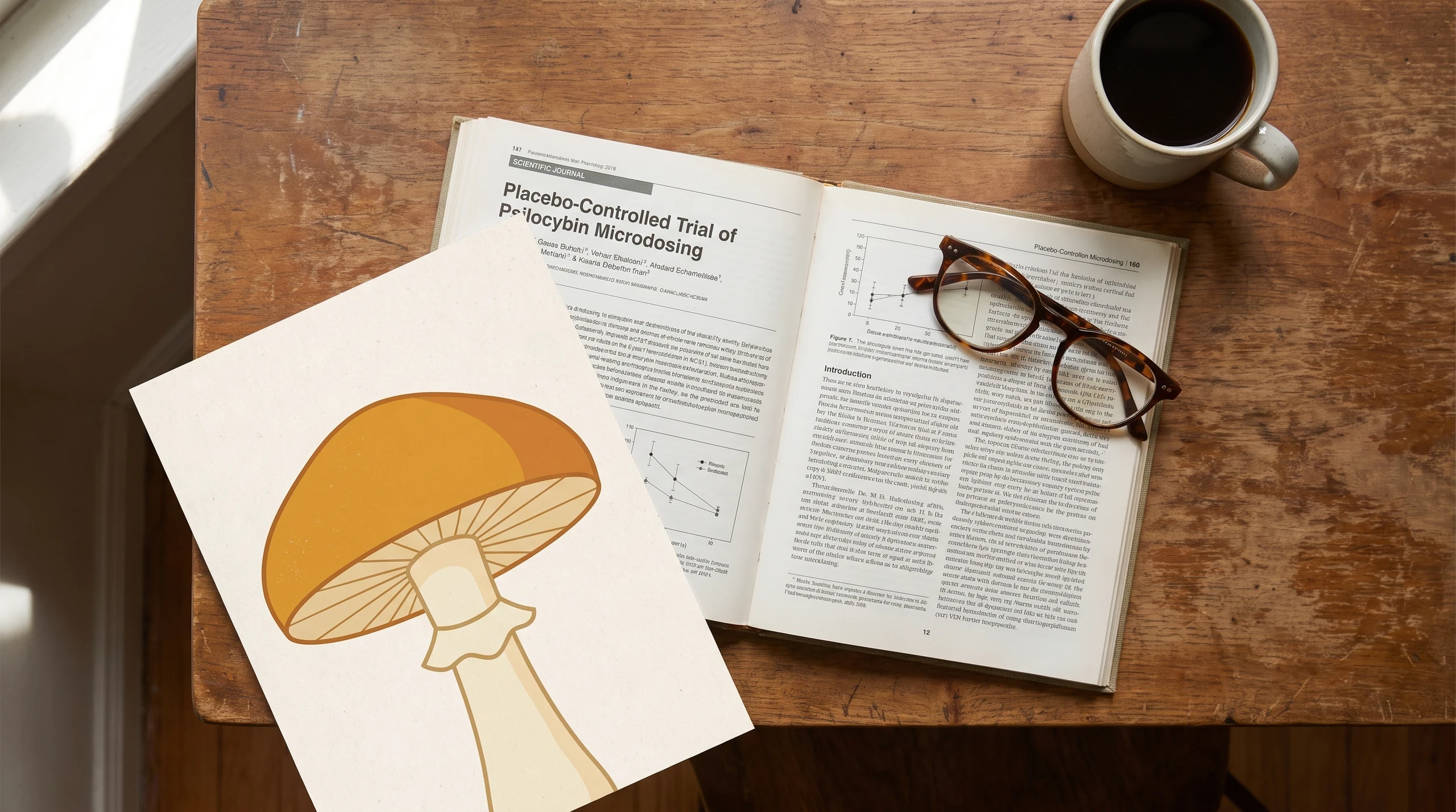
The evidence base for microdosing psilocybin, as distinct from the anecdotal reports and the Reddit testimonials, is not impressive. The Cavanna et al. (2022) study remains one of the few double-blind, placebo-controlled trials to test the practice under conditions that might isolate the drug effect from expectation. Thirty-four participants took either 0.5 grams of dried Psilocybe cubensis or placebo in gelatin capsules over several weeks, with neither the researchers nor the subjects knowing which was which. The result was that low doses produced noticeable subjective effects and altered EEG rhythms, but the study found no evidence to support enhanced well-being, creativity, or cognitive function. The researchers concluded that expectation likely underlies at least some of the anecdotal benefits people attribute to the practice.
Other placebo-controlled longitudinal trials have arrived at similar endpoints: psilocybin microdosing is well tolerated, blinding mostly holds, and the intervention does not outperform placebo on the outcome measures that were supposed to justify the ritual. That does not mean microdosing does nothing. It means that what it does may not be pharmacological, or that the pharmacology is irrelevant compared to the context, set and setting, and the attention the practice demands.
The blinding problem is worth pausing on. If you know you are taking psilocybin, even at a sub-perceptual dose, the knowledge alone can shift your mood and focus in ways that mimic the predicted effects. The expectation is not a confound to control for. It is the signal. A double-blind trial removes that signal, and when you remove it, the reported benefits tend to evaporate. This is not unique to psilocybin. It is the story of every insufficiently blinded trial of every marginal intervention in the history of psychopharmacology. The fact that a significant chunk of the microdosing literature remains observational, self-reported, or unblinded does not strengthen the case.
Tolerance, Schedules, and the Dosing Treadmill
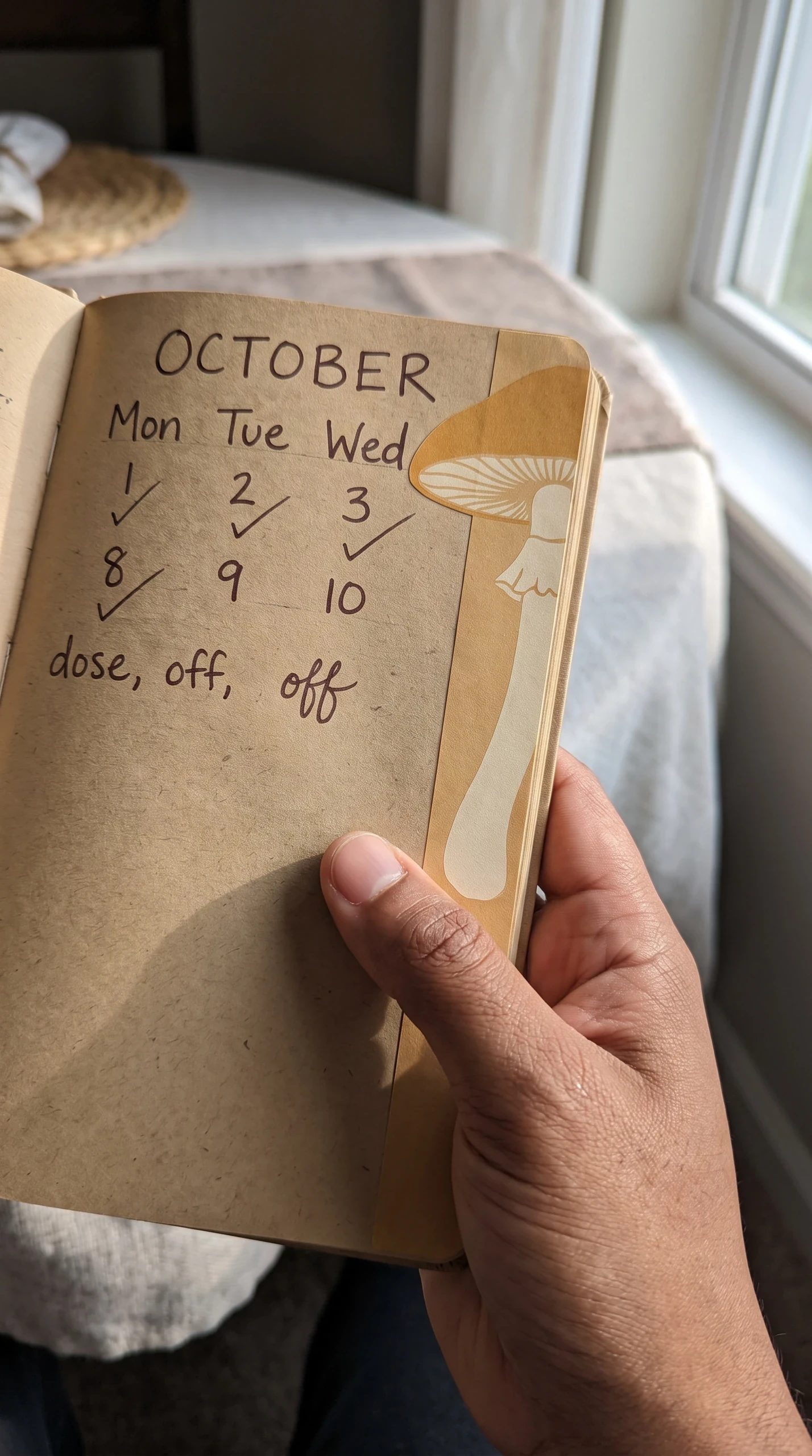
Psilocybin triggers rapid tolerance through serotonin receptor downregulation, which is why most microdosing schedules call for days off between doses. The Fadiman protocol, one of the most widely cited, suggests dosing once every three days: day one on, day two and three off, repeat. The Stamets stack adds lion's mane and niacin to the rotation and compresses the cycle to four days on, three days off. The schedules exist to work around tolerance buildup, not because anyone has established an optimal rhythm through controlled trials.
The problem is that tolerance does not reset on a fixed clock, and individual variation in receptor sensitivity means that the same schedule will produce different outcomes in different people. If you microdose on Monday with a cap that contains 0.8 milligrams of psilocybin, then microdose again Thursday with a cap that contains 1.1 milligrams, you are not repeating the dose. You are escalating it, into a tolerance curve that may or may not have returned to baseline. The subjective effect will be unpredictable, which defeats the premise of microdosing as a way to achieve stable, repeatable benefits.
Some people report that they stop feeling anything after a few weeks on a microdosing schedule, even if they are weighing the same mass of mushroom powder each time. That could be tolerance. It could also be potency drift, if the later capsules you packed came from stems instead of caps, or from a different flush, or from mushrooms that sat in the jar longer and degraded further. There is no way to know without sending each batch to a lab, and no one microdosing at home is doing that.
The treadmill is this: to chase a consistent effect, you would need to measure potency per dose, adjust the mass to compensate for variation, and account for your own receptor state at the time of ingestion. None of that is practical outside a research setting. What you are left with is a routine that varies in unpredictable ways, interpreted through the lens of expectation.
What Golden Teacher Does Not Solve
Golden Teacher's reputation as a beginner-friendly, moderate-potency cultivar is not unearned, but it is also not a solution to the dosing problem. Moderate potency just means the average falls somewhere in the middle of the observed range for Psilocybe cubensis. It does not mean every mushroom is average. Detailed genetic and cultivation research has shown that even under controlled conditions, individual fruiting bodies from the same culture can vary by 20 percent or more in psilocybin content.
The cultivar's popularity in microdosing circles may have more to do with branding and availability than with any intrinsic pharmacological advantage. Golden Teacher is easy to grow, the spores are widely traded, and the name telegraphs a kind of therapeutic seriousness that aligns with how people want to think about microdosing. If you are going to grind up mushrooms and put them in capsules as part of a wellness practice, you probably want the mushroom to sound like it has something to teach you, not like it is going to melt your face.
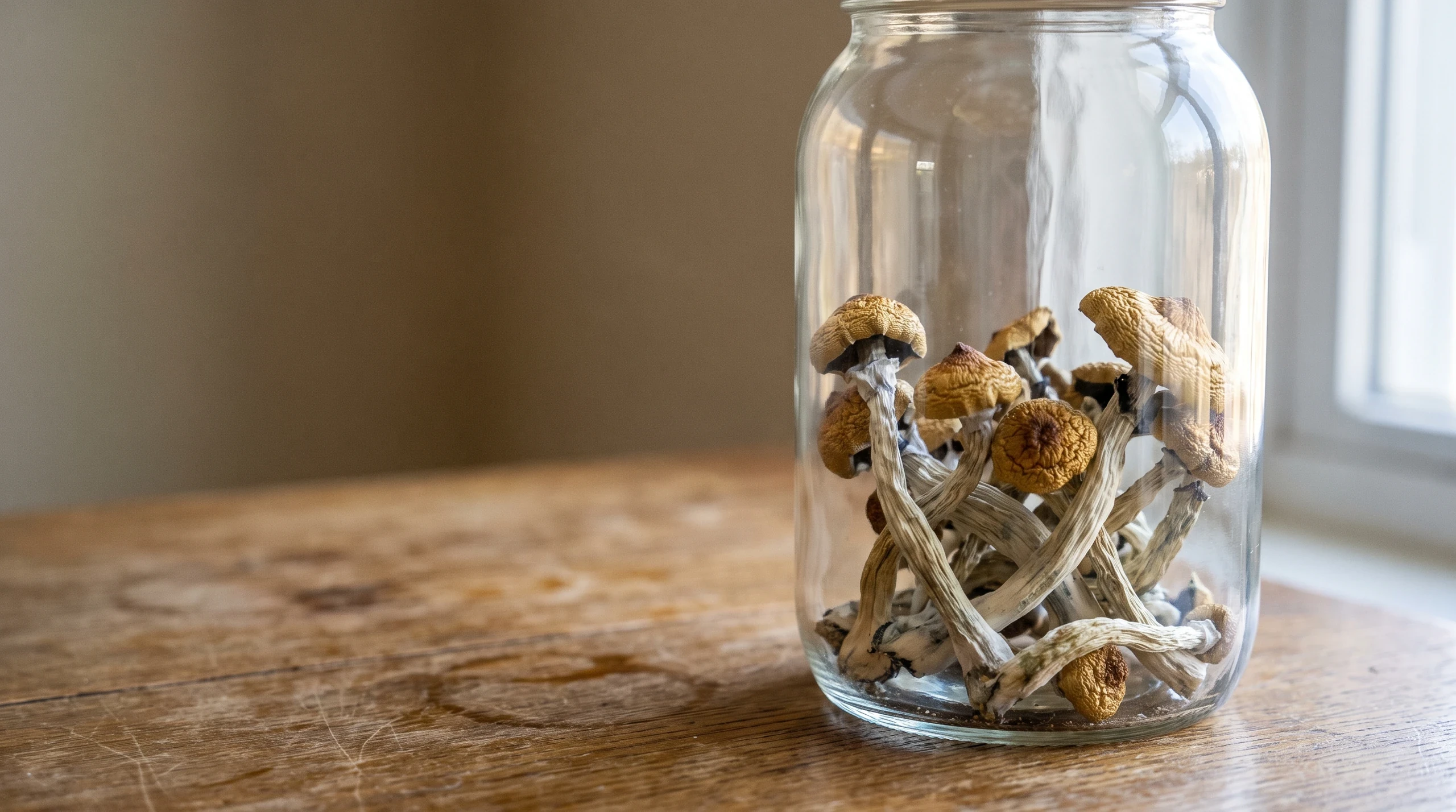
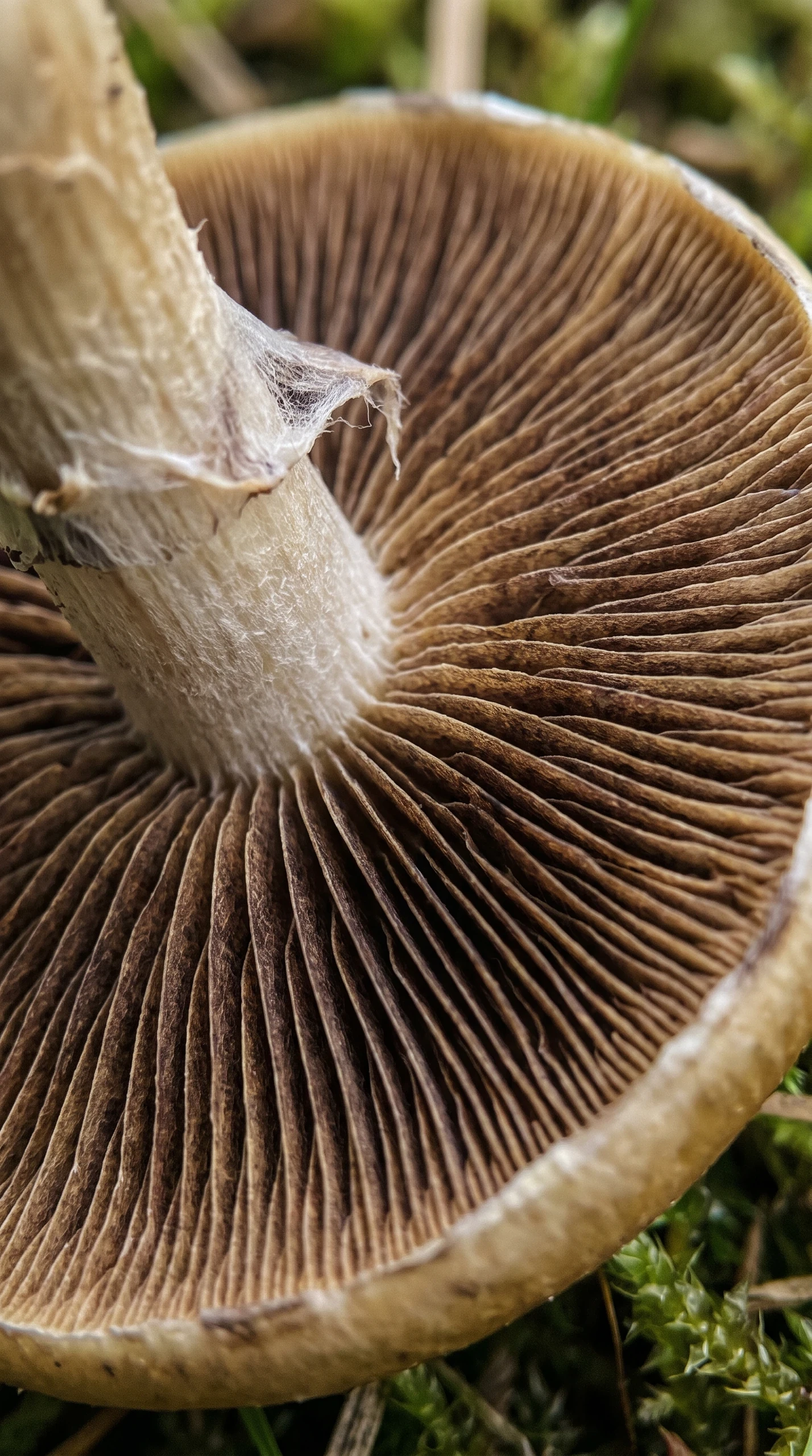
But the chemistry does not care about the name. A Golden Teacher cap picked young will have a different profile than one picked after the veil breaks. A cap dried at 160 degrees Fahrenheit in a dehydrator will retain more psilocybin than one air-dried over three days in humid conditions. Storage in a clear jar on a windowsill will degrade the alkaloids faster than storage in an opaque container in a dark drawer. None of these variables are specific to Golden Teacher. They apply to every cubensis cultivar in circulation.
The other thing Golden Teacher does not solve is legality. Psilocybin remains a Schedule I controlled substance in most jurisdictions, and possession, cultivation, or distribution carries legal risk that does not go away just because you are measuring out milligram doses instead of eating whole caps. A few cities and states have moved toward decriminalization or regulated access, but those are exceptions. For most people reading about microdosing online and considering giving it a try, the legal exposure is the same whether they take 100 milligrams or 3 grams.
The Evidence Does Not Establish What People Claim It Does
Microdosing has a literature, but the literature is not particularly kind to the practice. The randomized, placebo-controlled trials that exist tend to show minimal or null effects on the endpoints that matter: cognitive performance, emotional well-being, creativity. Observational studies, which rely on self-report and lack blinding, show benefits, but observational studies of unblinded interventions always show benefits if the participants expect them. The gap between what people report on Reddit and what shows up in controlled research is not a mystery. It is what expectation looks like when you measure it.
There are ongoing trials, some using standardized synthetic psilocybin instead of mushroom powder, some targeting specific conditions like major depressive disorder. If those trials produce compelling evidence that sub-perceptual psilocybin has therapeutic value, the question of dosing consistency becomes even more urgent. A treatment that works only when you can control the dose is not a treatment you can deliver with a bag of dried mushrooms and a coffee grinder. The regulated psilocybin programs emerging in Oregon and Colorado require lab testing and standardized dosing for exactly this reason.
The phrase "the evidence suggests" gets overused, but it is doing necessary work here. The evidence suggests that expectation drives a meaningful portion of the reported microdosing effects. The evidence suggests that potency variation in whole mushrooms makes consistent dosing impractical without analytical testing. The evidence suggests that even if psilocybin microdosing has real benefits, those benefits are modest enough that large, well-controlled trials struggle to detect them. What the evidence does not suggest is that grinding up Golden Teacher and taking it every three days will reliably improve your mood or cognition in ways that meaningfully exceed placebo.
The Harm Reduction Angle, Such As It Is
If someone is going to microdose anyway, despite the legal risk and the thin evidence, the harm reduction advice is straightforward but limited. Start low. Pay attention to how you respond. Do not drive or operate machinery on a dosing day until you know how the dose affects you, because sub-perceptual is a target, not a guarantee. Do not assume that because a dose felt like nothing on Monday, the next dose will feel like nothing on Thursday, because potency variation and tolerance can conspire to produce a perceptual dose when you thought you were taking a microdose.
Test your mushrooms if you can, though access to analytical testing is not widely available outside legal markets. Some harm reduction organizations offer drug checking services that can at least confirm the presence of psilocybin and rule out substitution or adulteration. They cannot tell you the exact dose in the capsule you are about to take, but they can tell you whether the batch is in the expected range.
Store your material carefully. Keep it dry, keep it dark, keep it sealed. Every day a mushroom sits exposed to light and air is a day it loses a little more psilocybin. If you are trying to maintain a consistent dose over weeks or months of microdosing, degradation will work against you.
And remember that microdosing is not risk-free just because the dose is low. Psilocybin affects serotonin signaling, and anyone taking SSRIs or other serotonergic medications should know that interactions are possible. The literature on psilocybin and cardiac valve issues remains inconclusive, but the question is not settled. Low dose does not mean no risk. It means lower risk, maybe, compared to a full psychedelic experience, but the safety data for chronic, repeated sub-perceptual dosing is still sparse.
The Gap Between the Trend and the Science
Microdosing psilocybin has moved from a niche practice among biohackers and Burning Man regulars to something approaching a cultural phenomenon, at least in certain online communities and coastal cities. The media coverage has been largely credulous, the testimonials glowing, the business interest significant. Golden Teacher, as one of the accessible entry points to the practice, has been swept along in that current.
The science has not kept pace with the hype. That is not unusual. It is the normal course of things when a practice catches on faster than researchers can design, fund, and run the trials that would establish whether the practice does what people think it does. The lag between anecdote and evidence is where a lot of wellness trends live, sometimes for years, and microdosing has found a comfortable home in that gap.
The question is not whether people feel better when they microdose. Many of them clearly do. The question is whether the mushroom is the reason, or whether the ritual, the attention, the expectation, and the community are doing the work. If it is the latter, you do not need Golden Teacher. You need a placebo and a good story. If it is the former, you need a way to control the dose, and a bag of dried caps is not going to give you that.
Frequently asked questions
Does Golden Teacher have more stable potency than other Psilocybe cubensis strains?
Can I microdose reliably without lab testing my mushrooms?
Do microdosing schedules actually prevent tolerance buildup?
Is microdosing psilocybin legal if I grow my own Golden Teacher?
What does the research actually say about microdosing benefits?
Ready to apply what you've learned?
Browse lab-tested magic mushrooms, edibles, microdose capsules and teas — shipped discreetly across the United States.